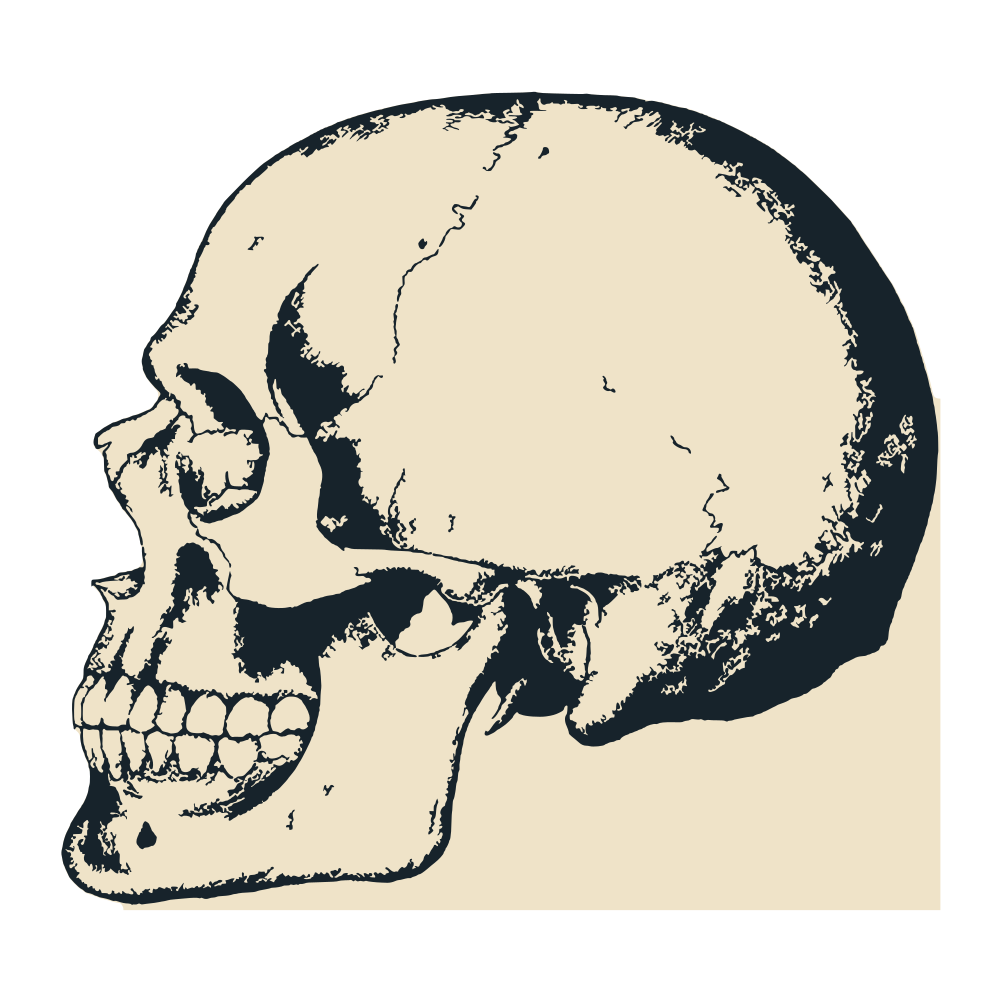
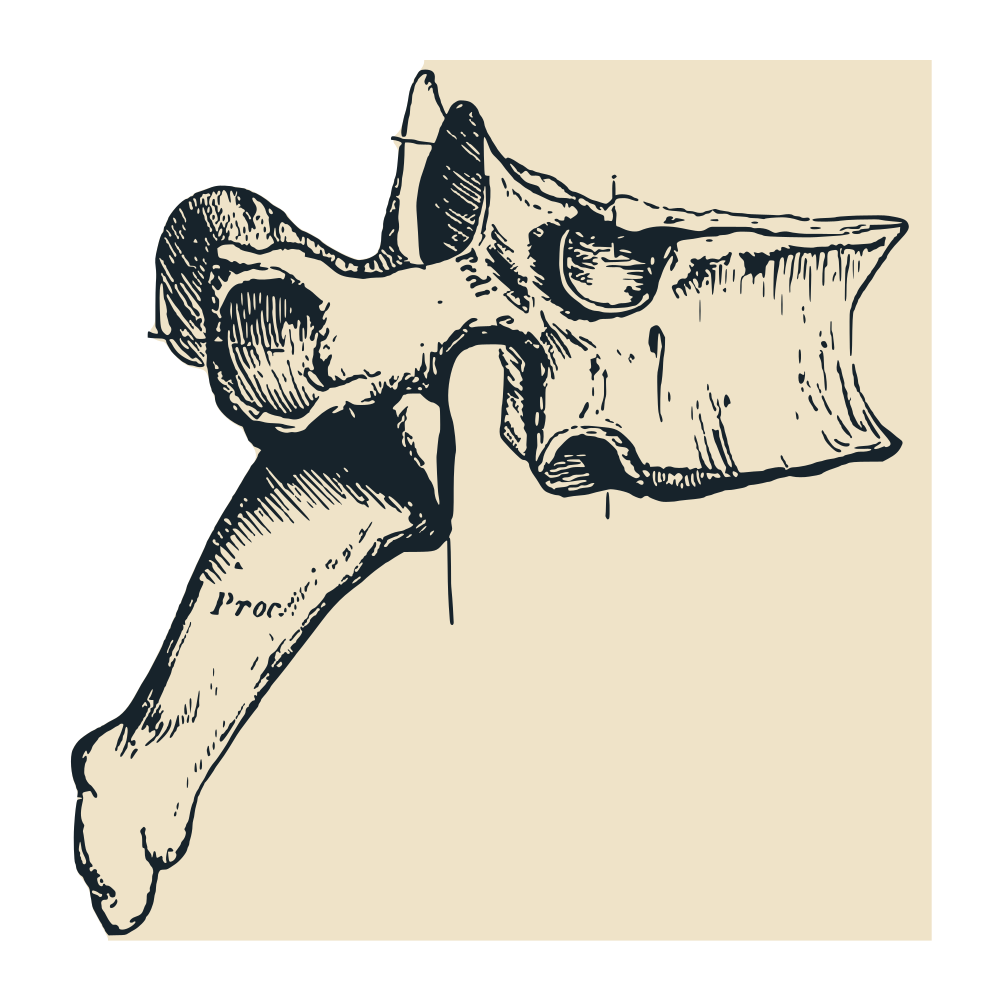
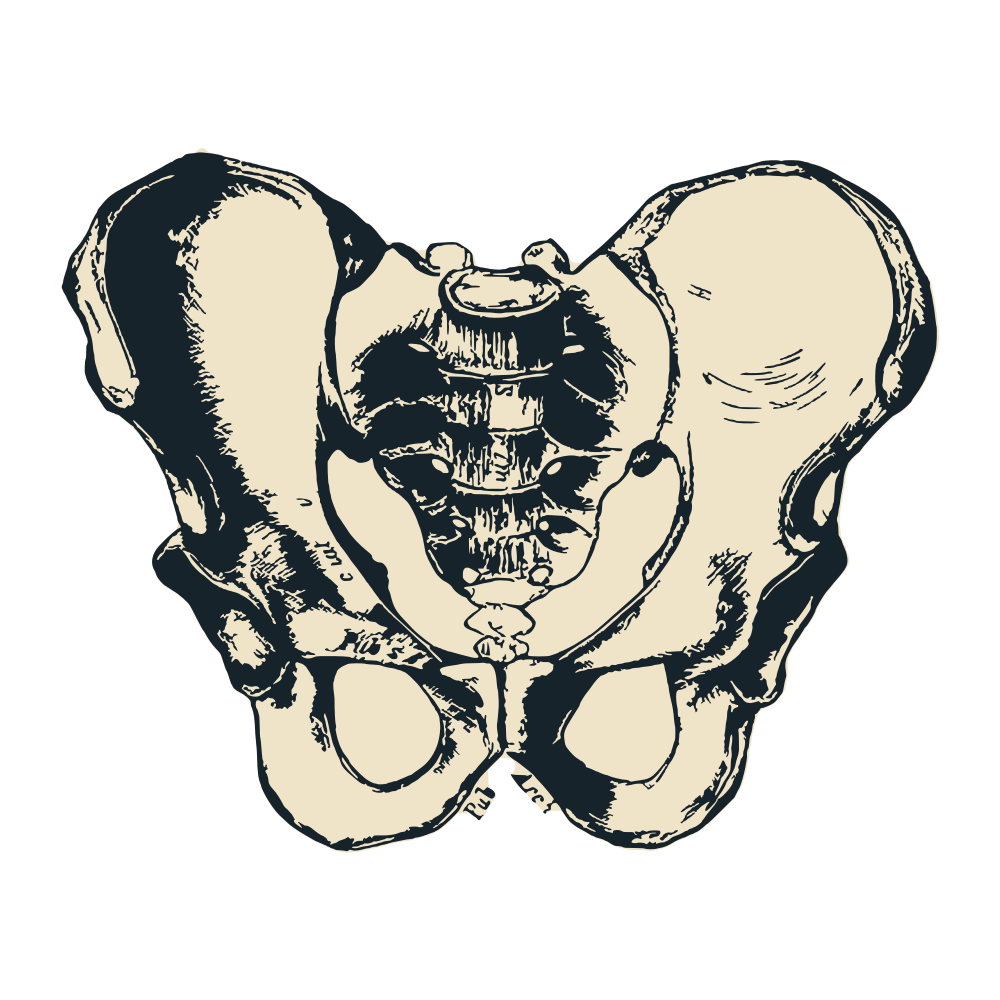
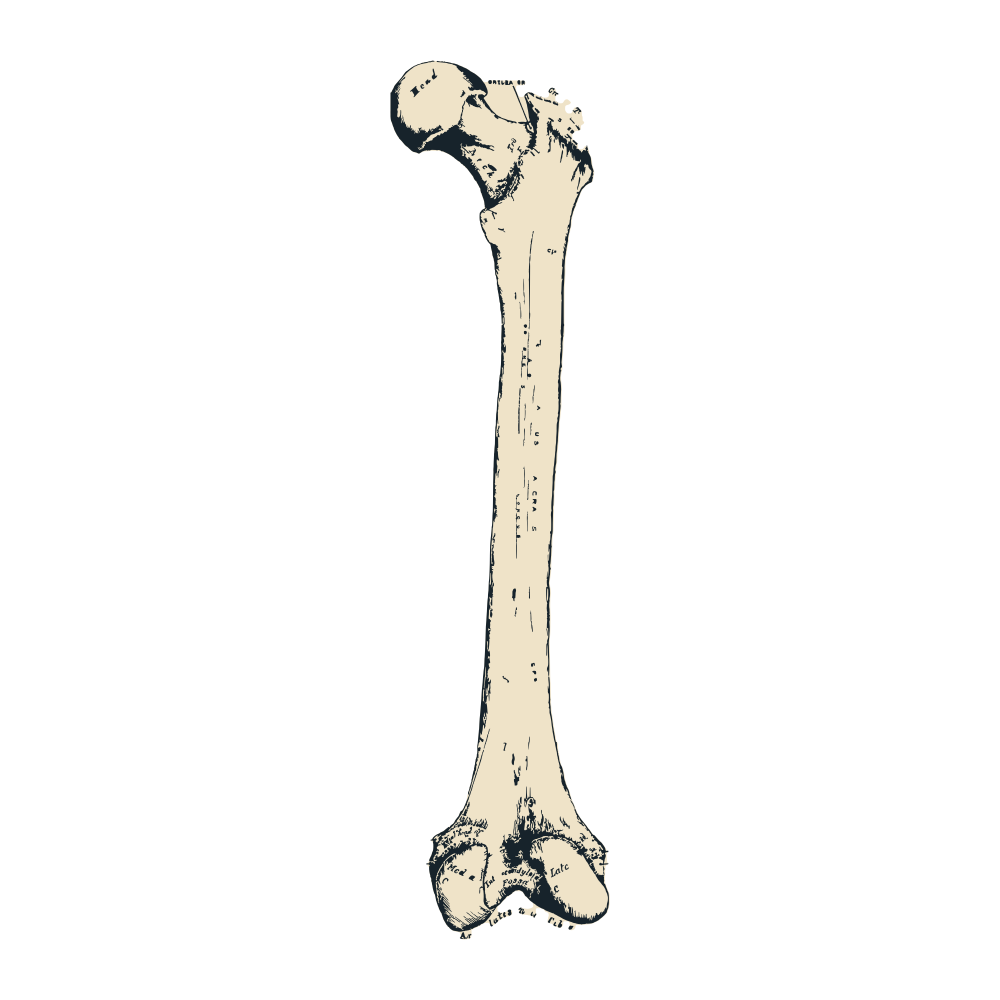
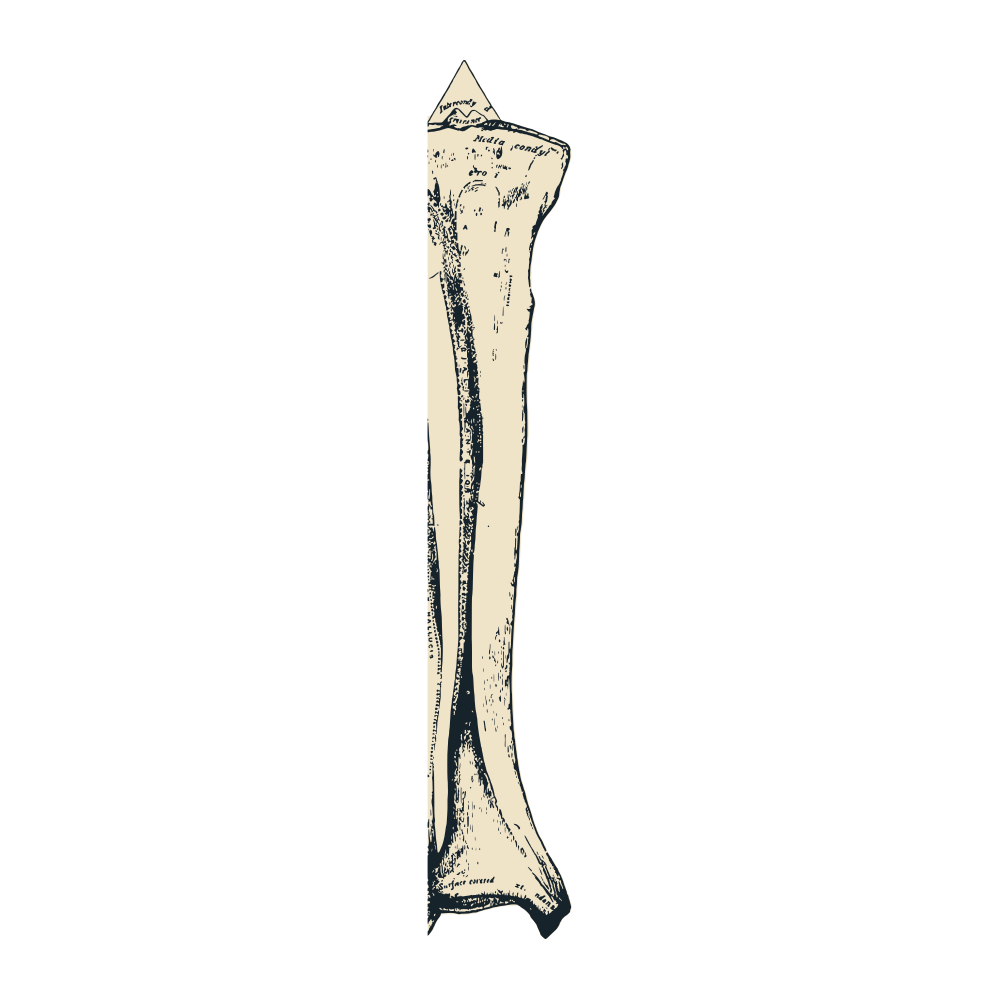
Semantic source
:femur:
Meaningful fallback text. This is what an author writes.
LIVE FONT DEMO
BONES.OTF gives anatomy stable identities, semantic text aliases, PUA characters, vector masters, and emoji-like rendering.
This is not Wingdings. Ordinary letters stay ordinary. Try :femur: below; without BONES installed, the source text is still readable.
PLATE 01 / REPRESENTATIVE ASSEMBLY
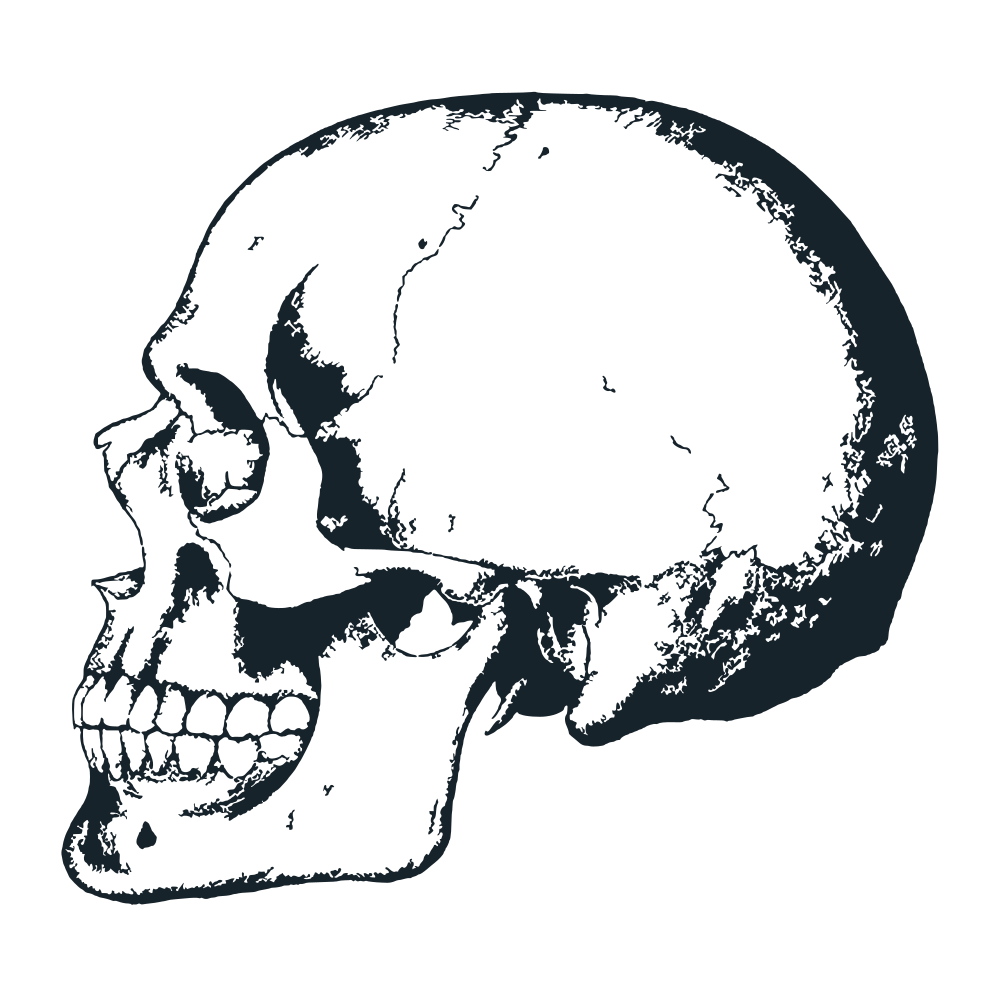
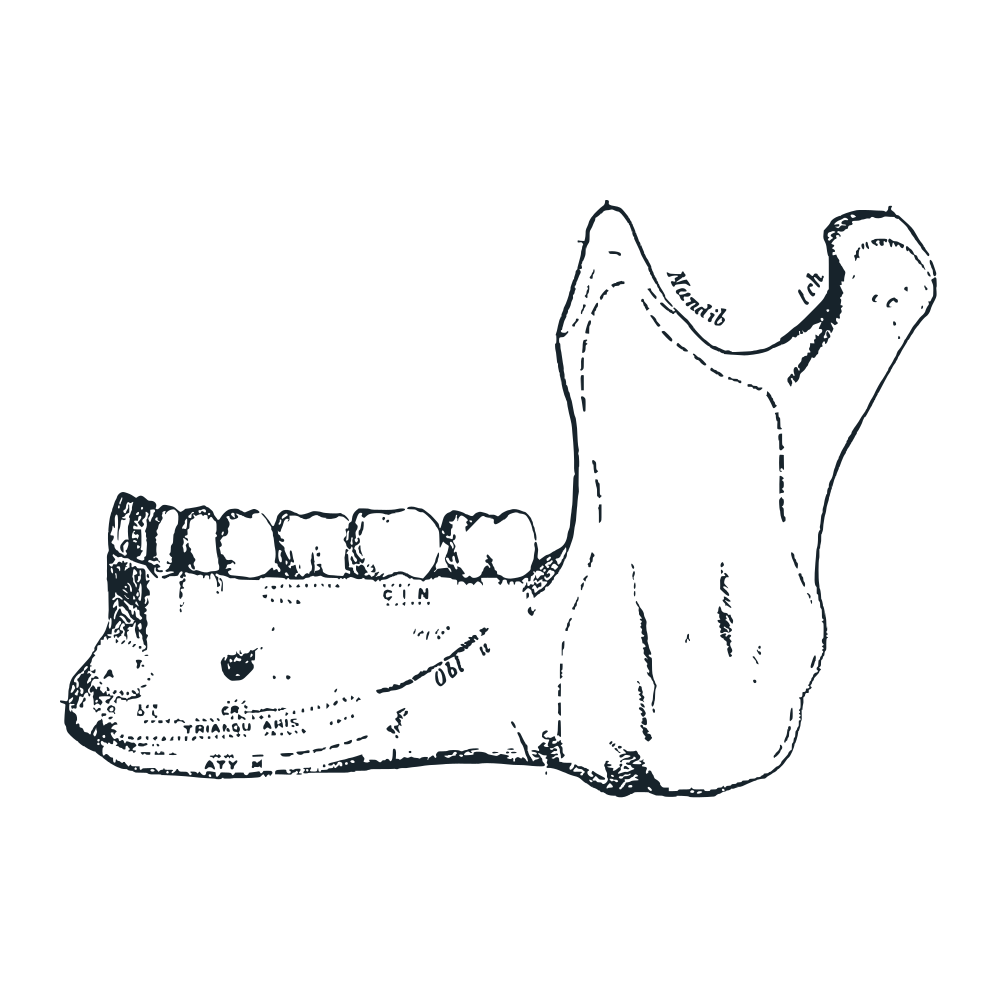
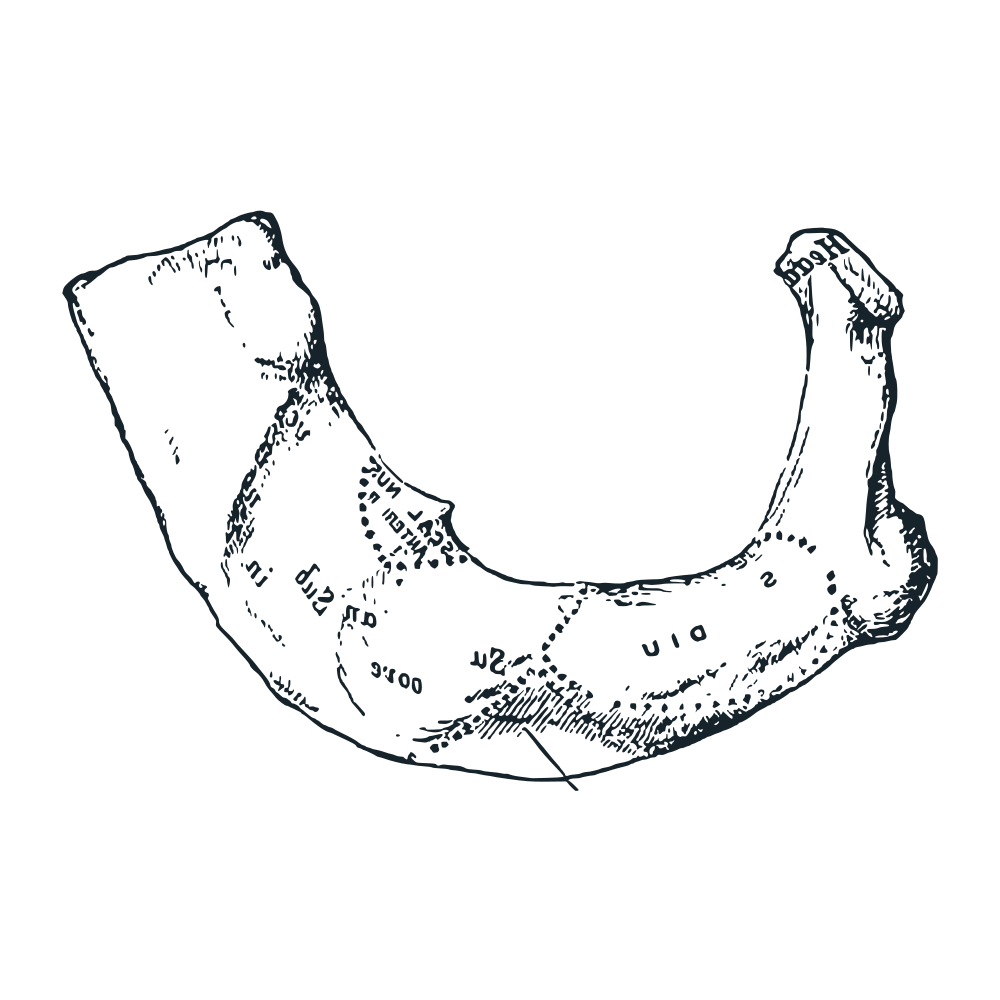
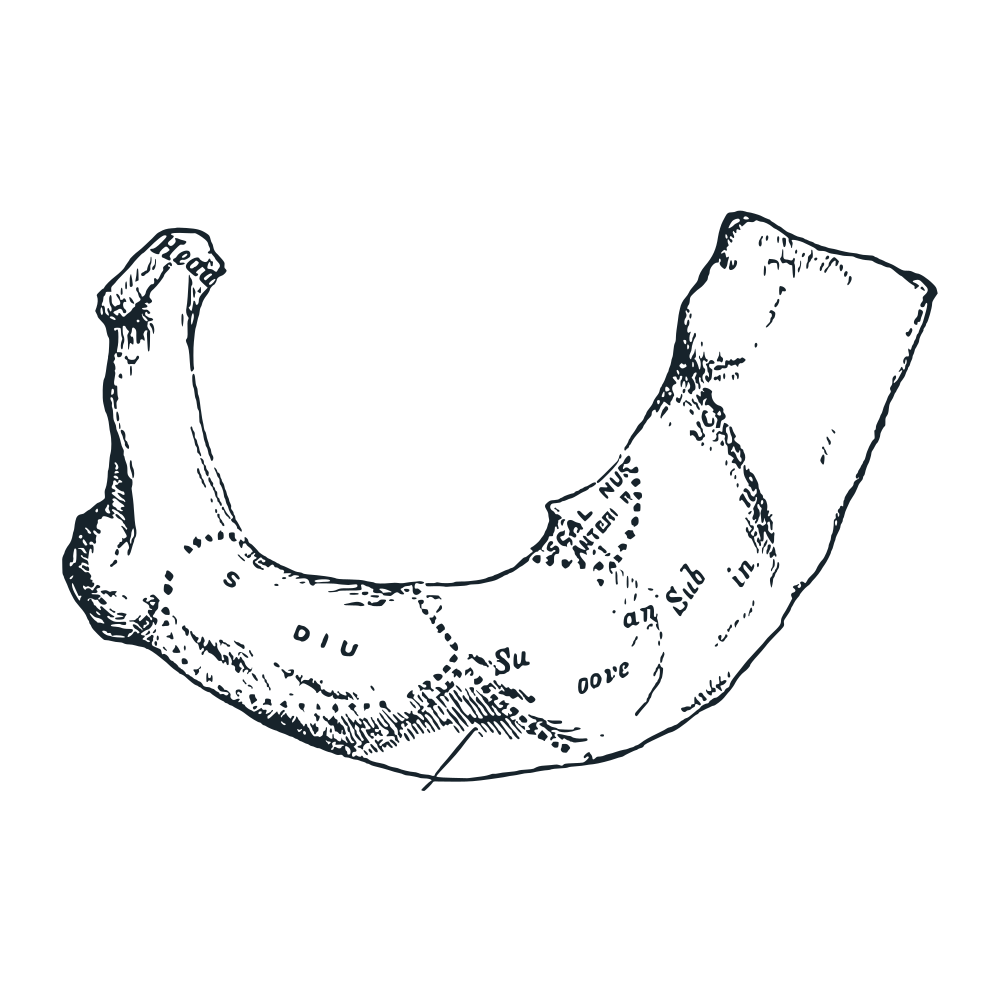
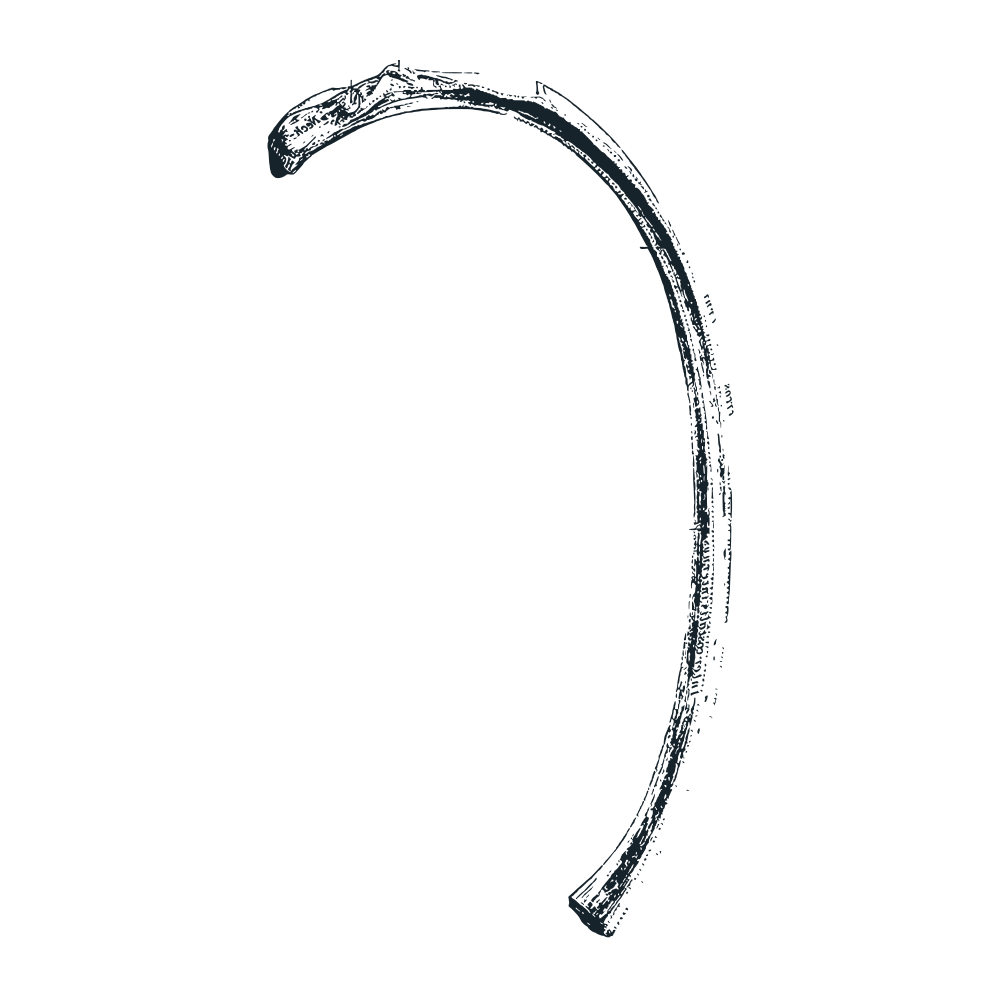
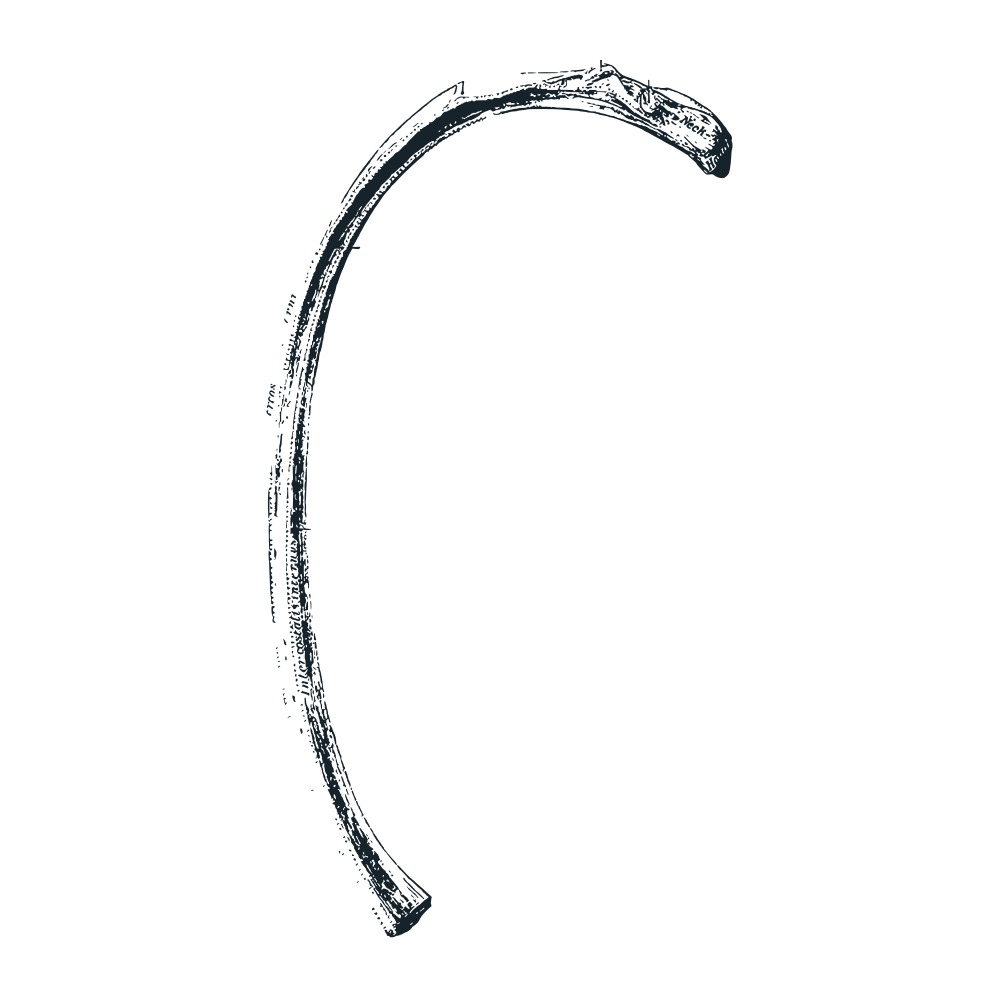
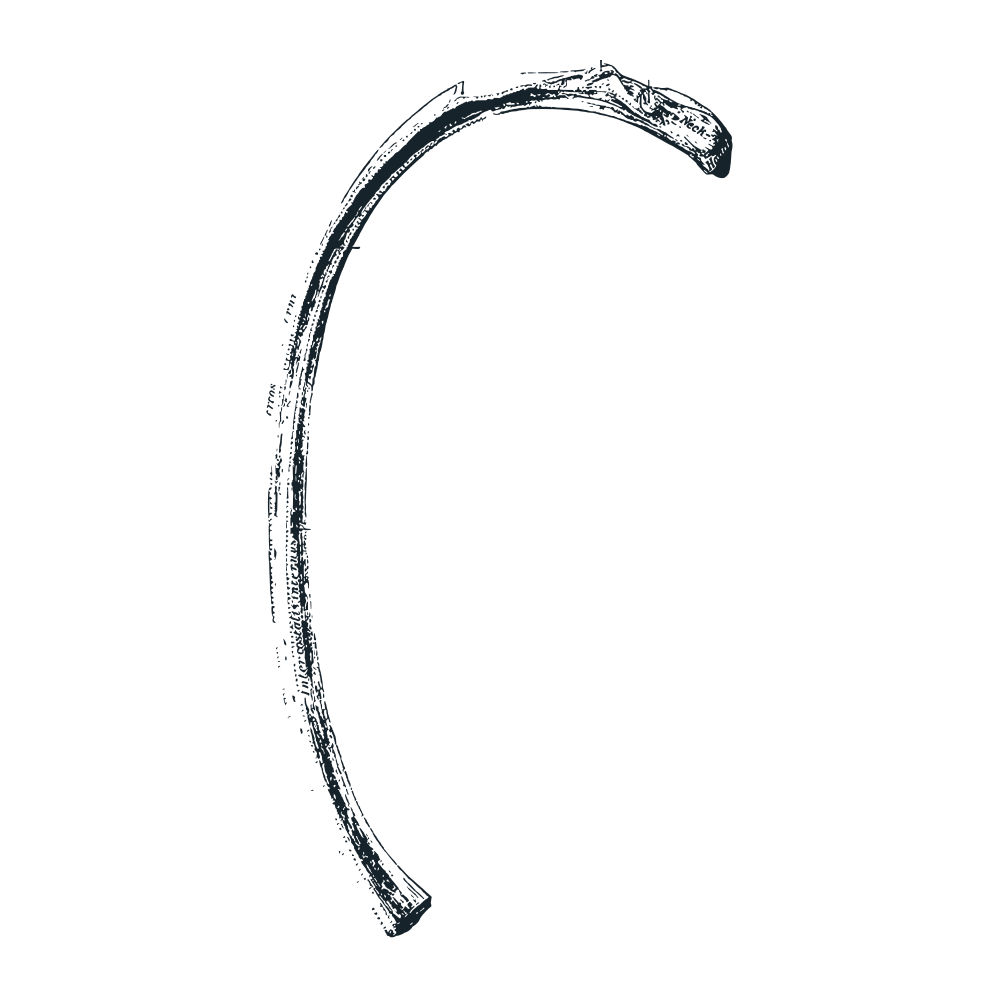
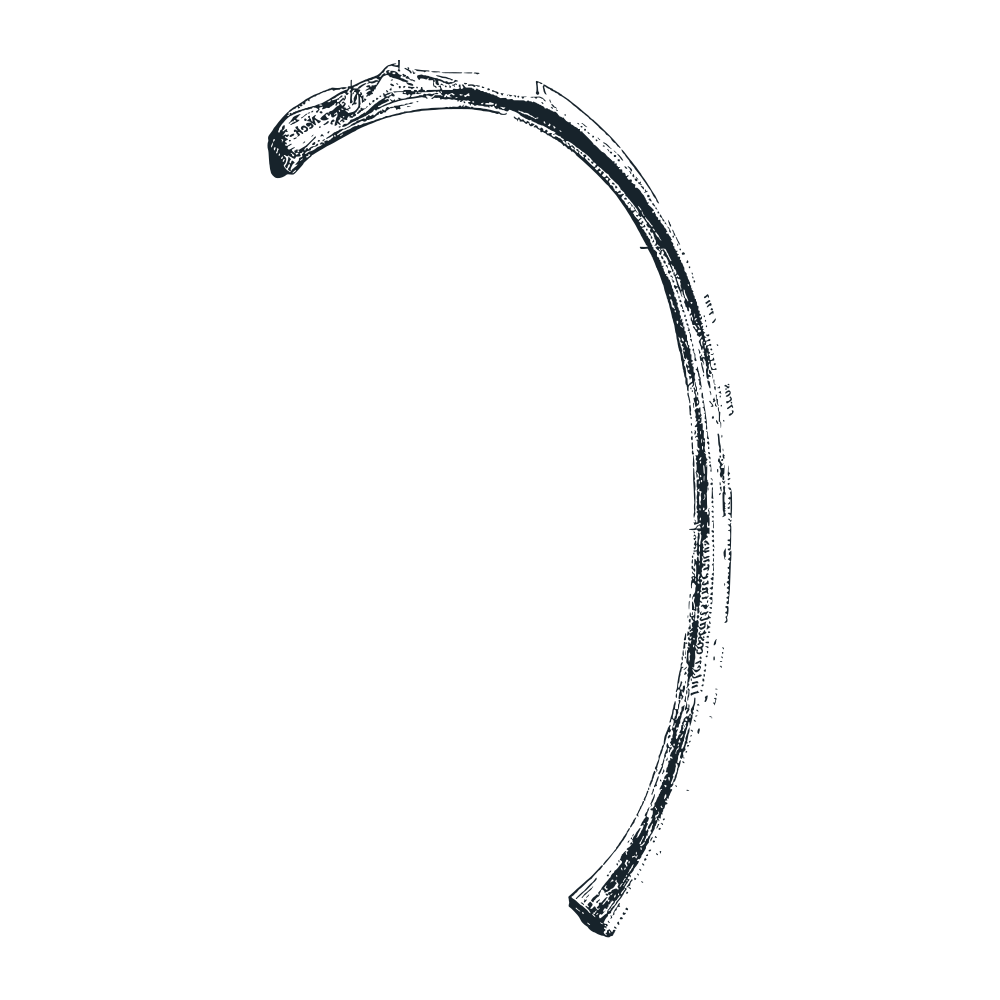
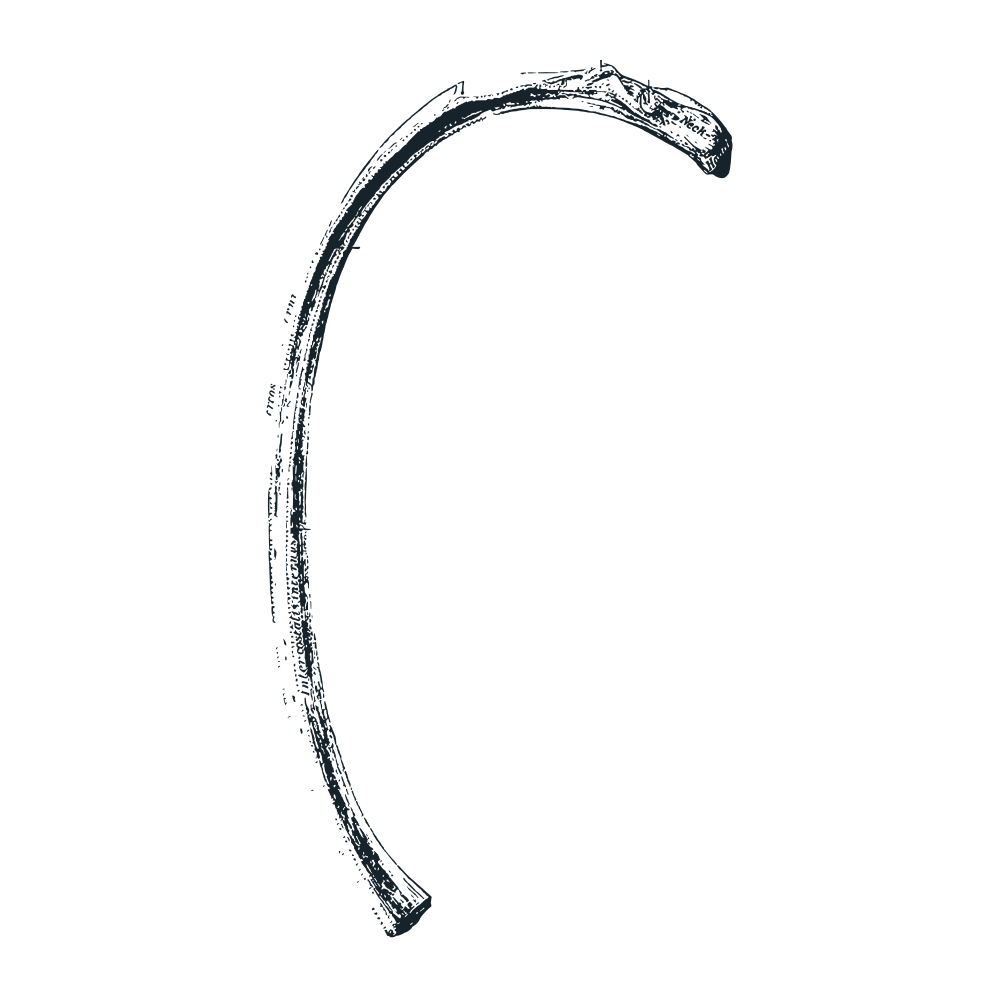
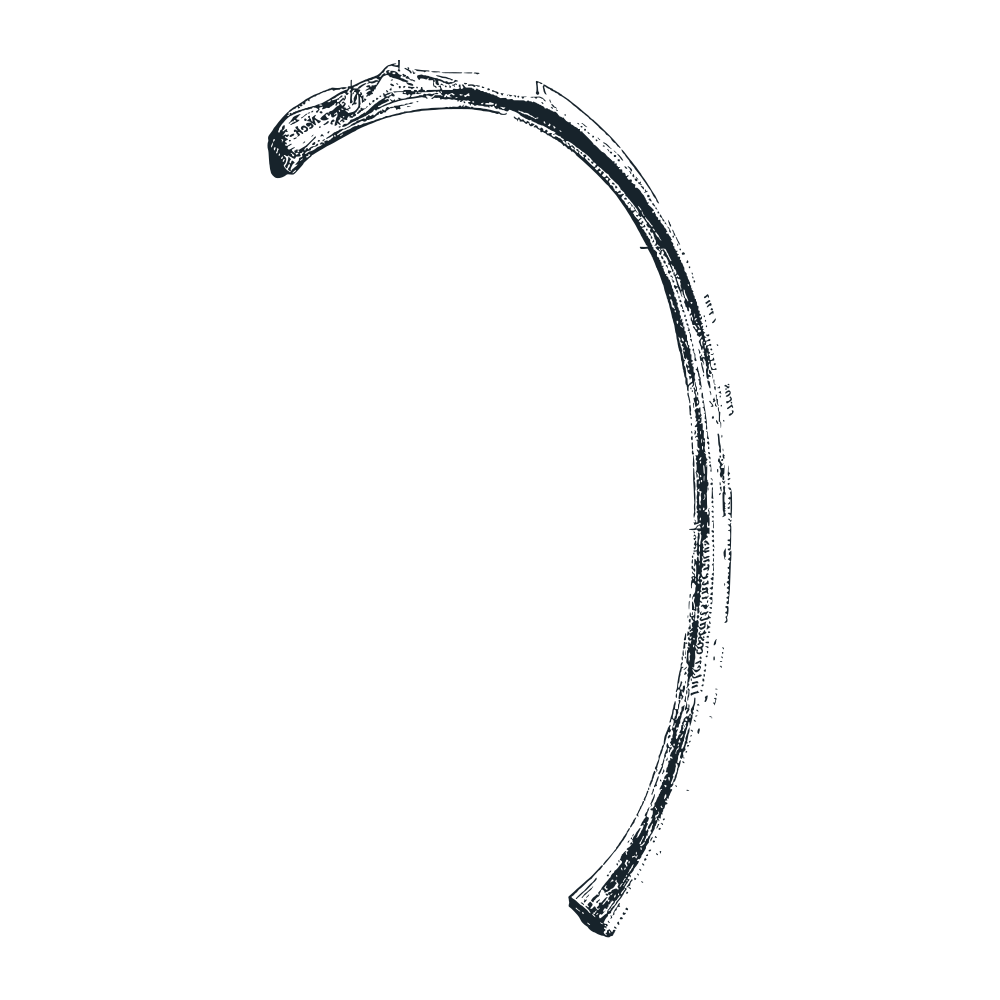
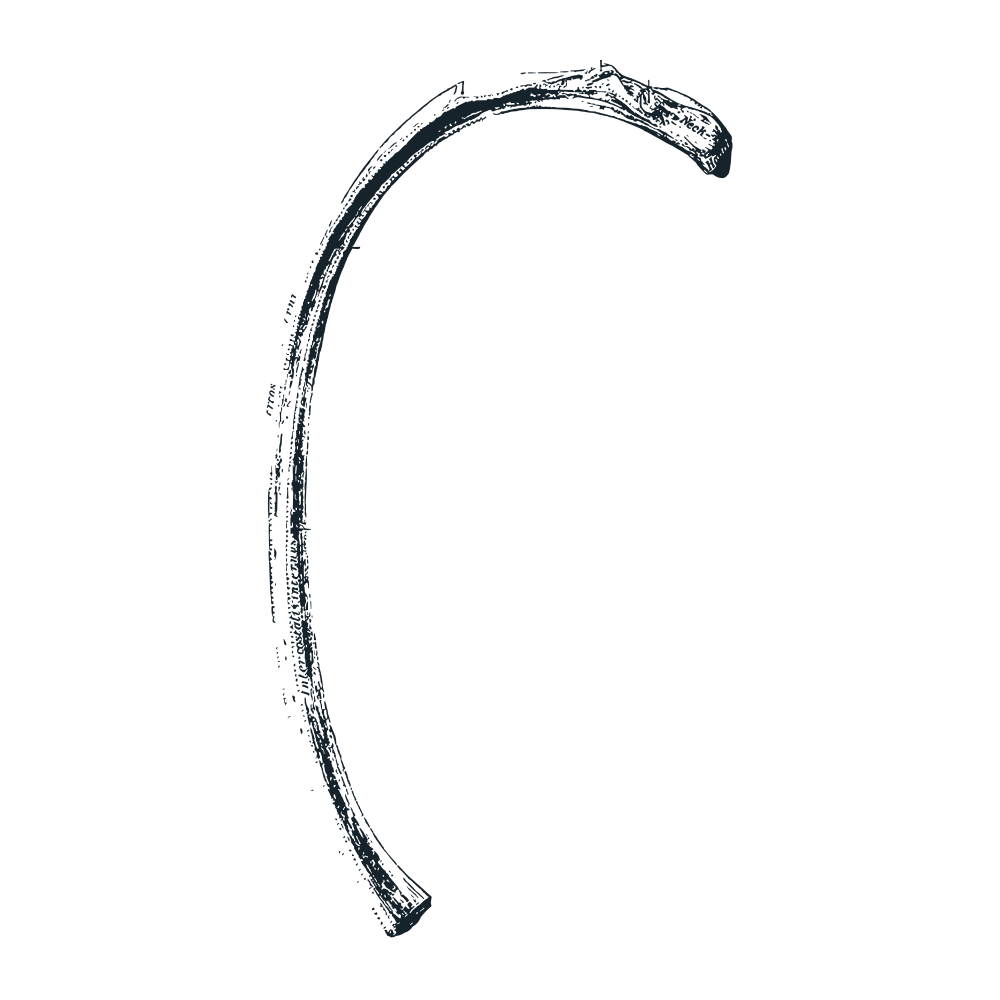
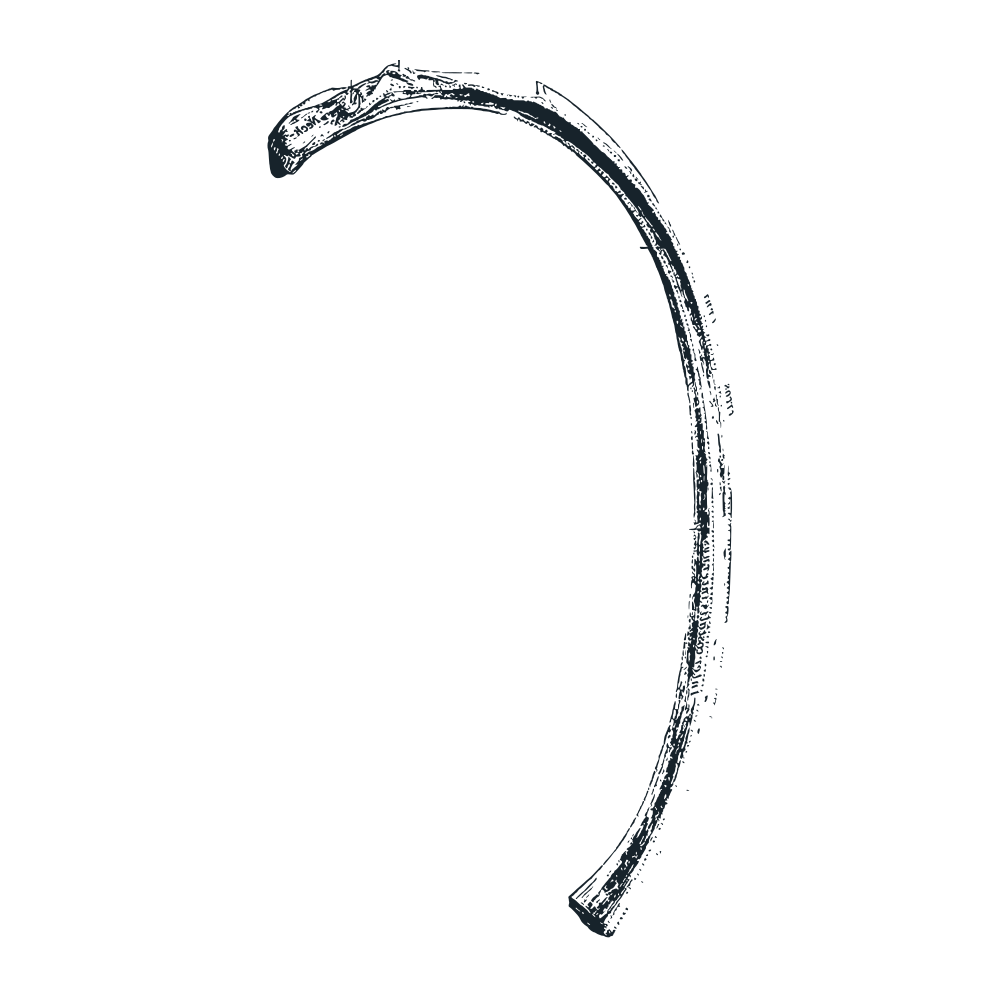
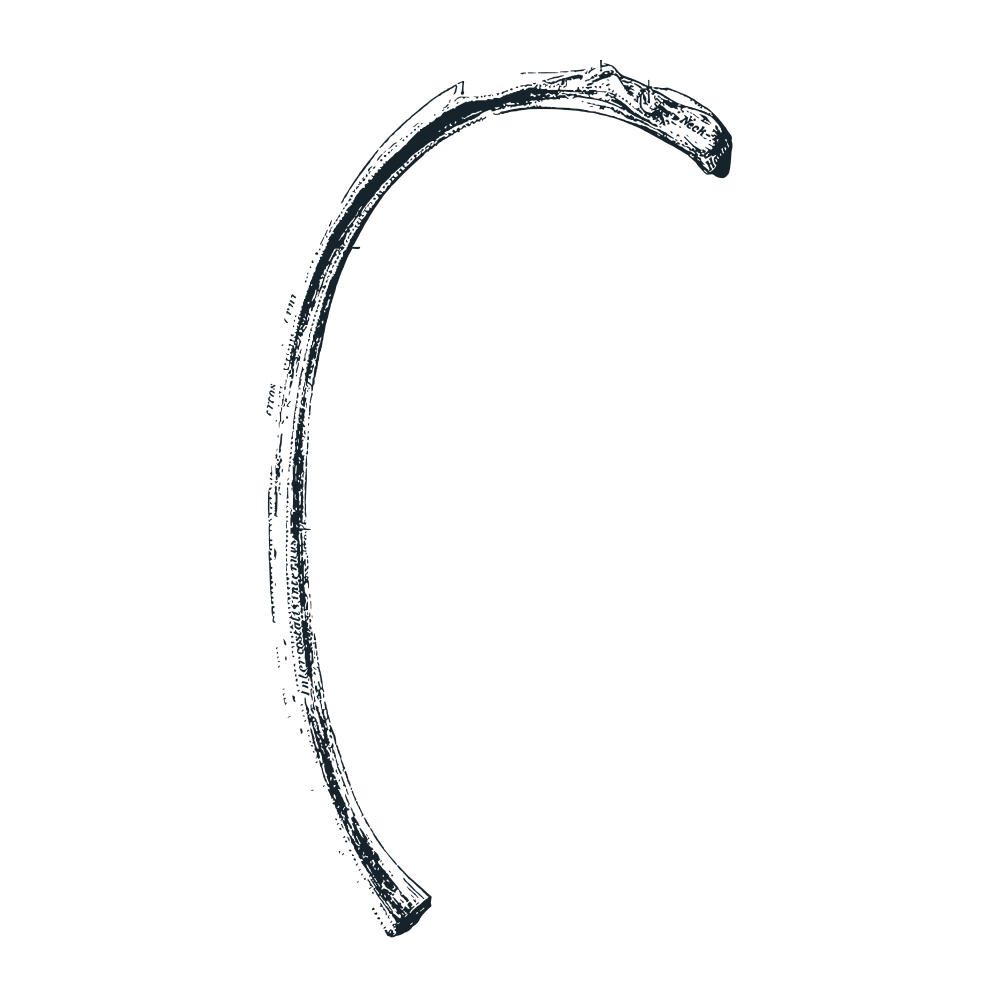
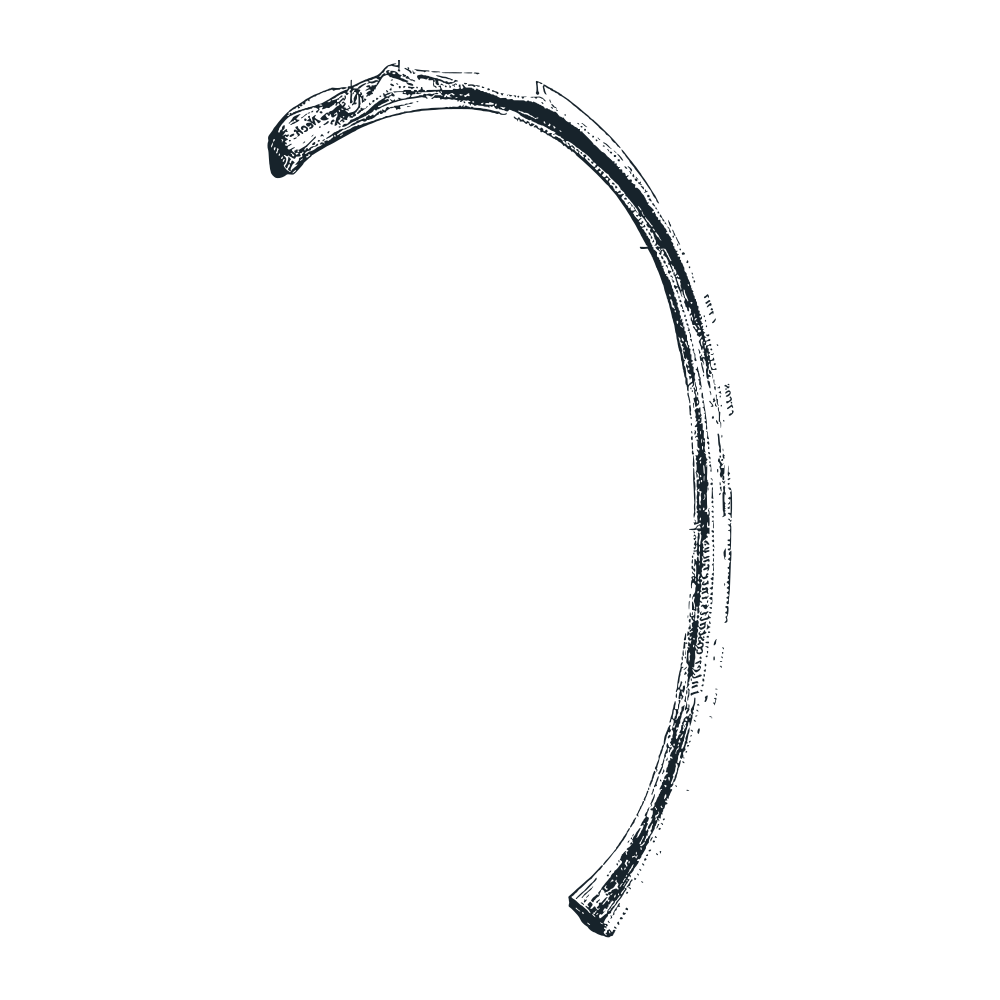
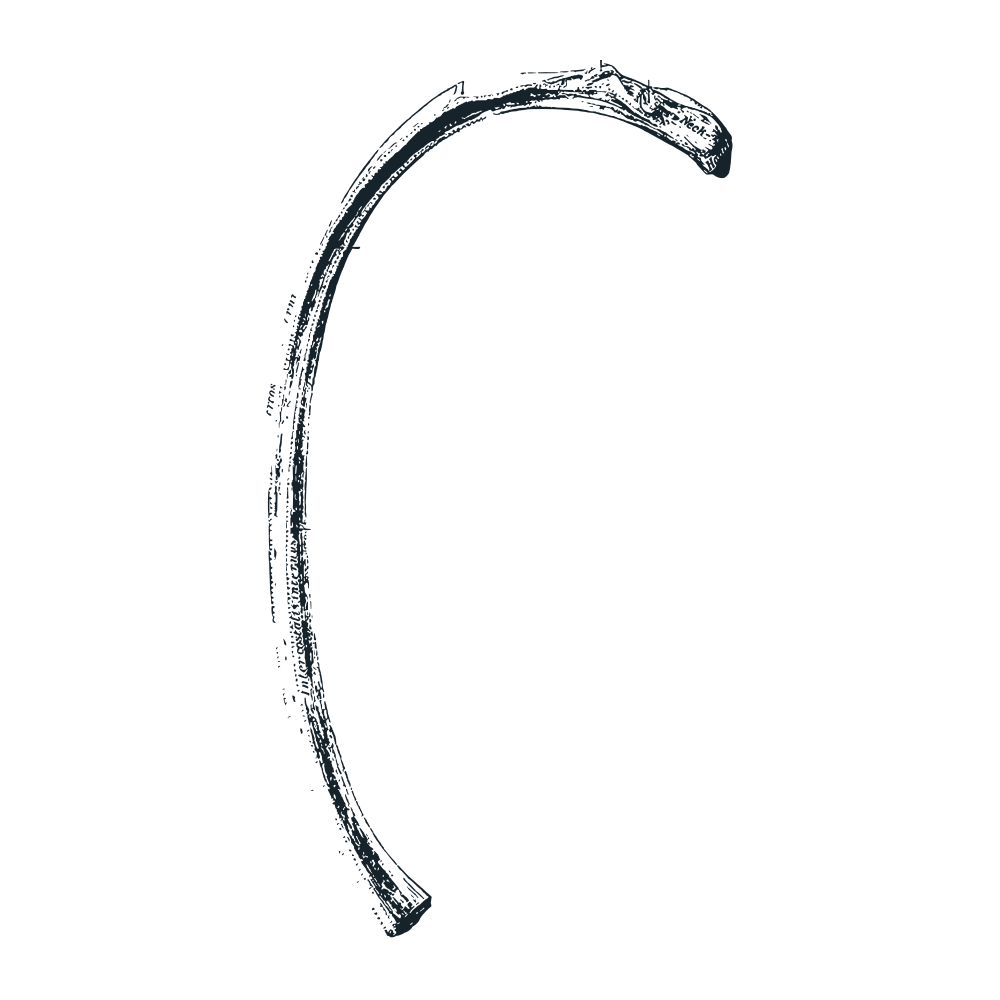
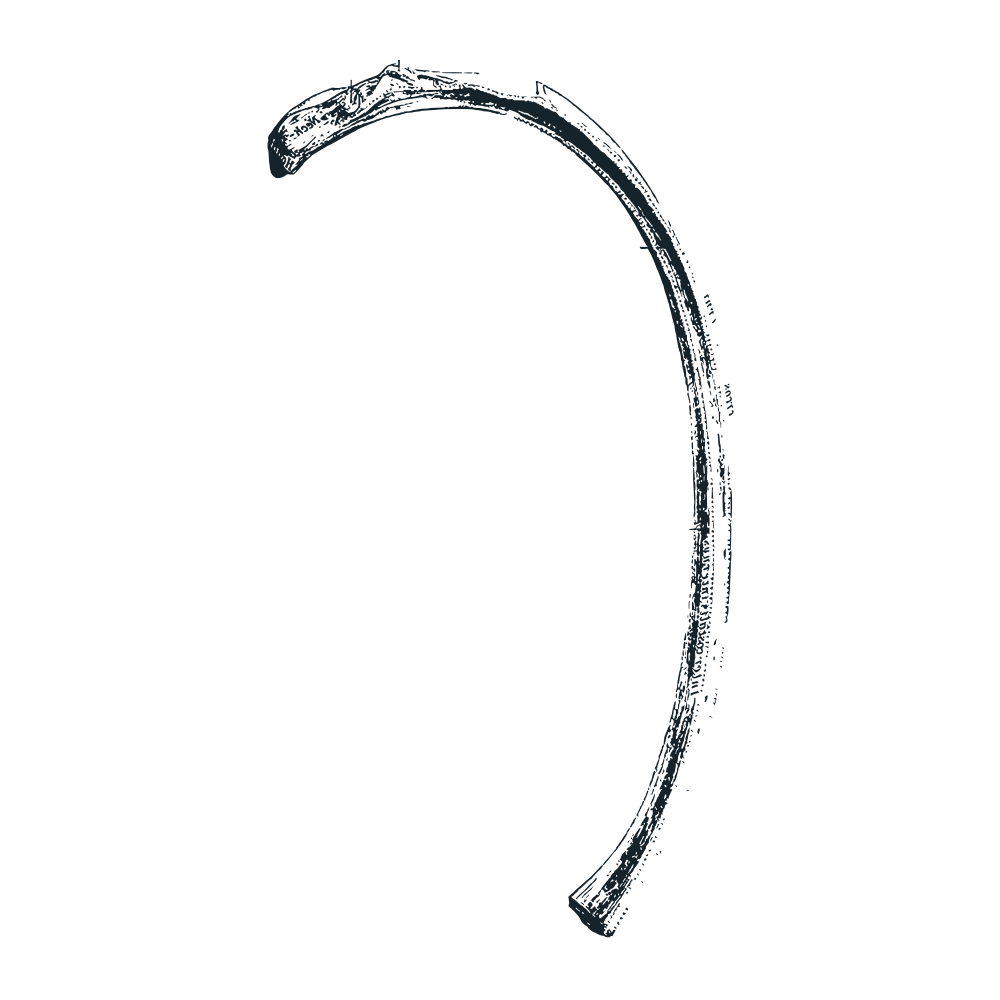
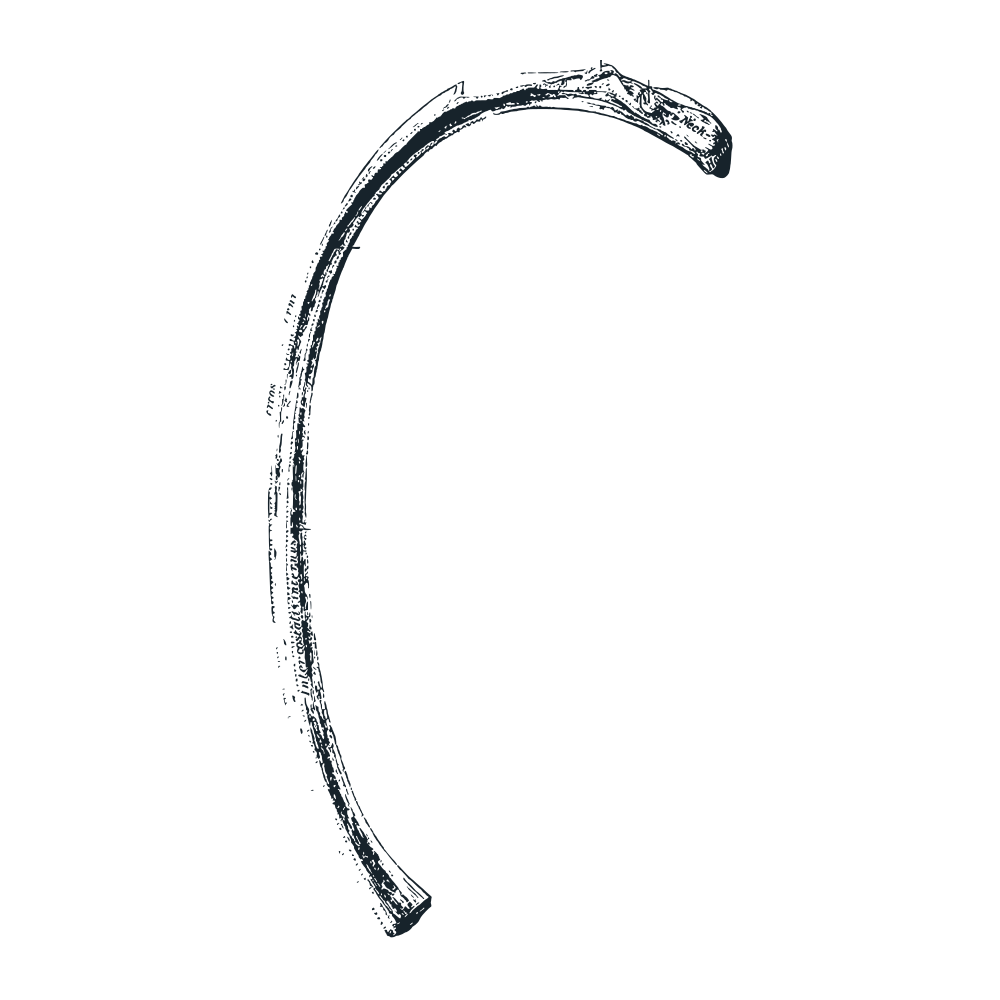
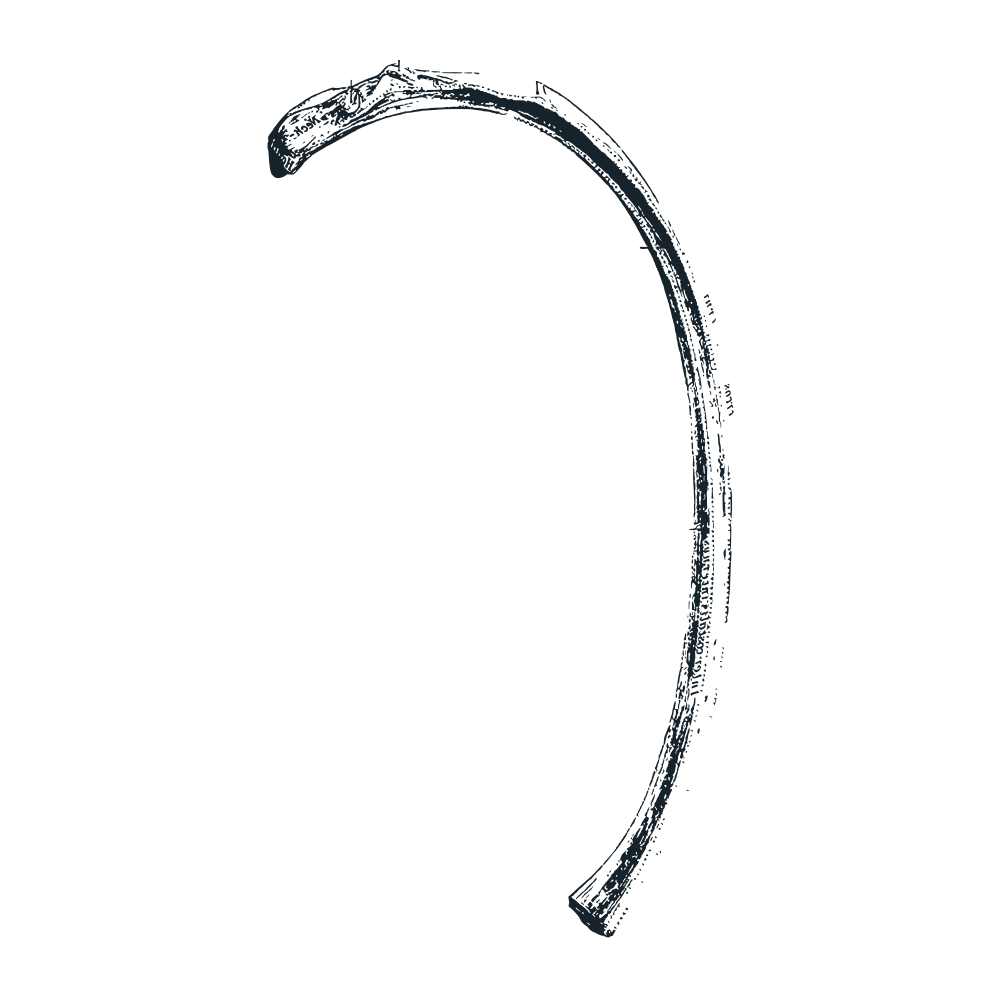
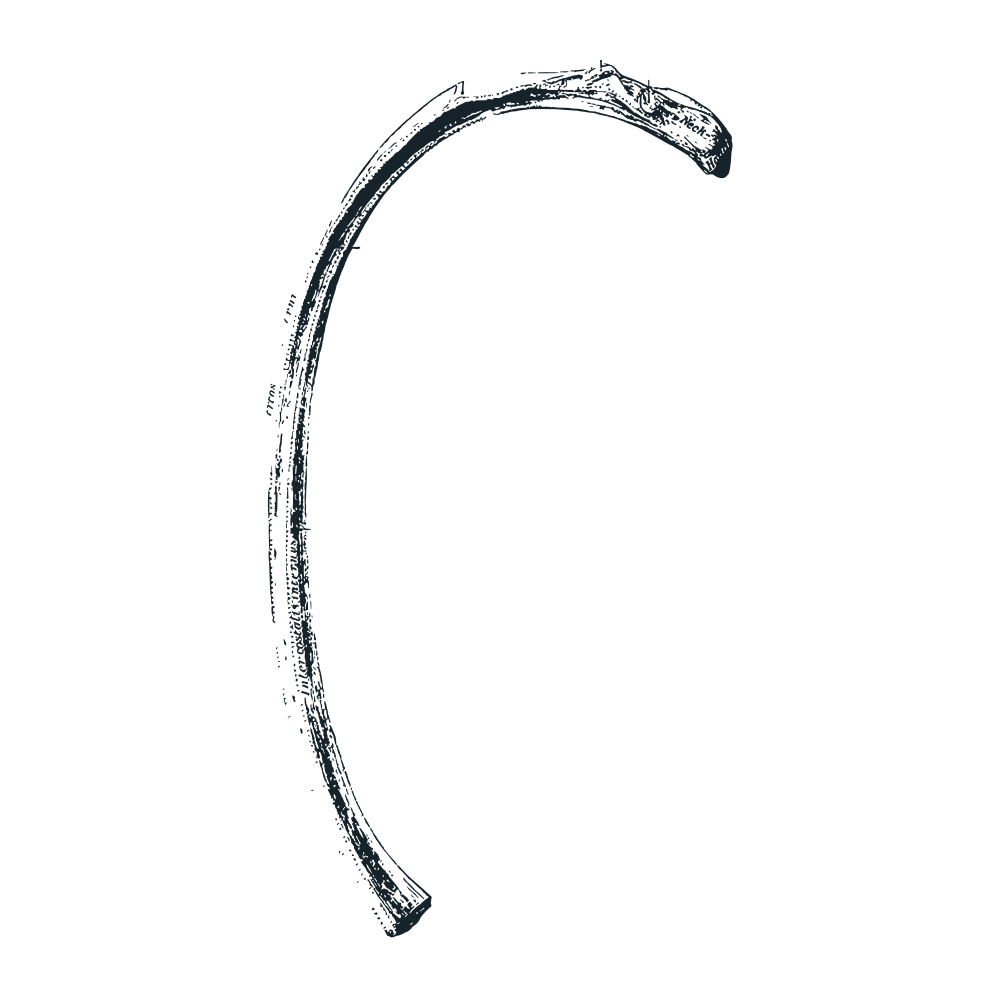
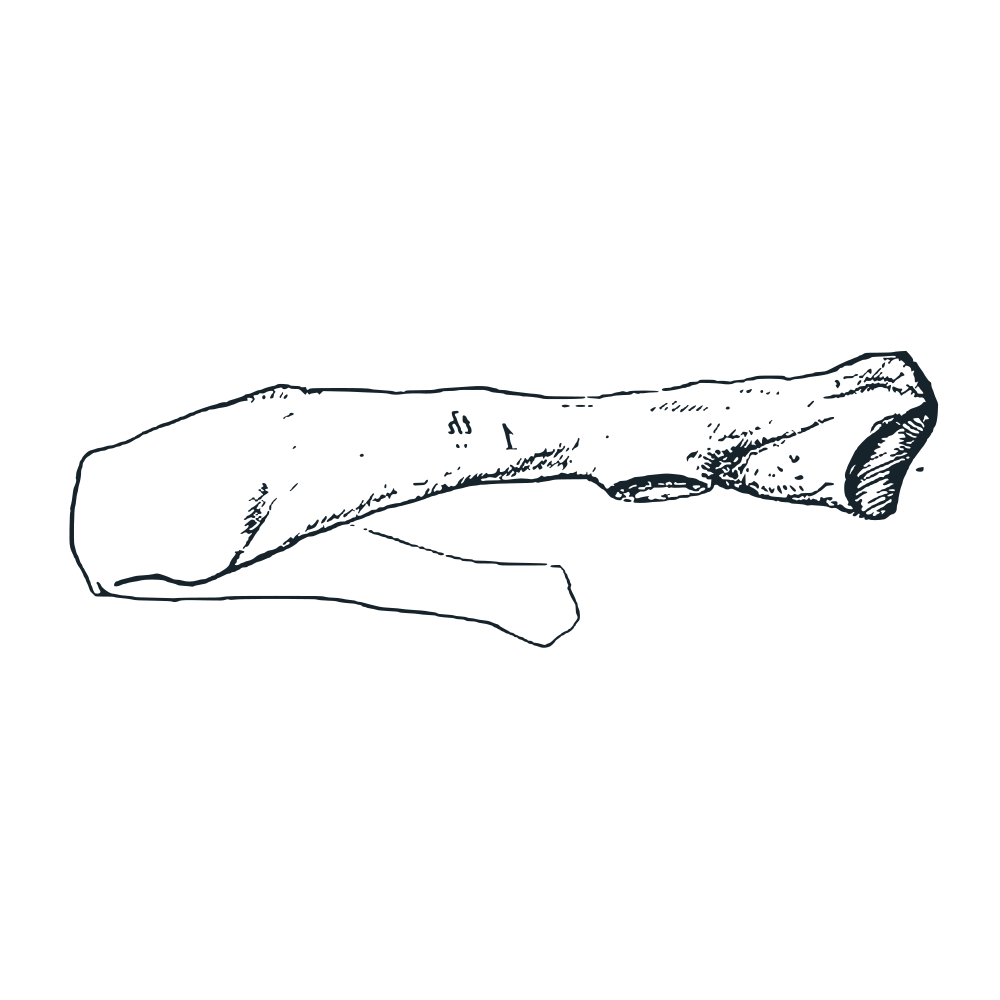
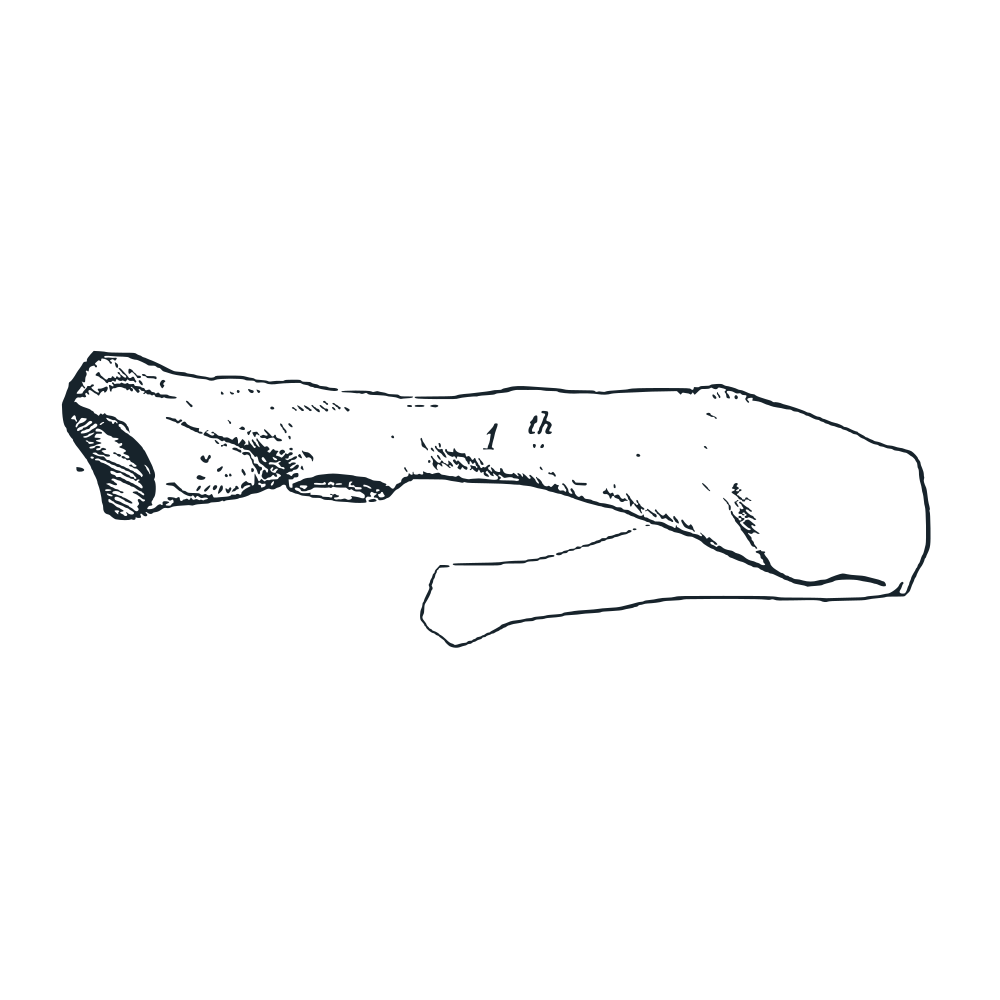
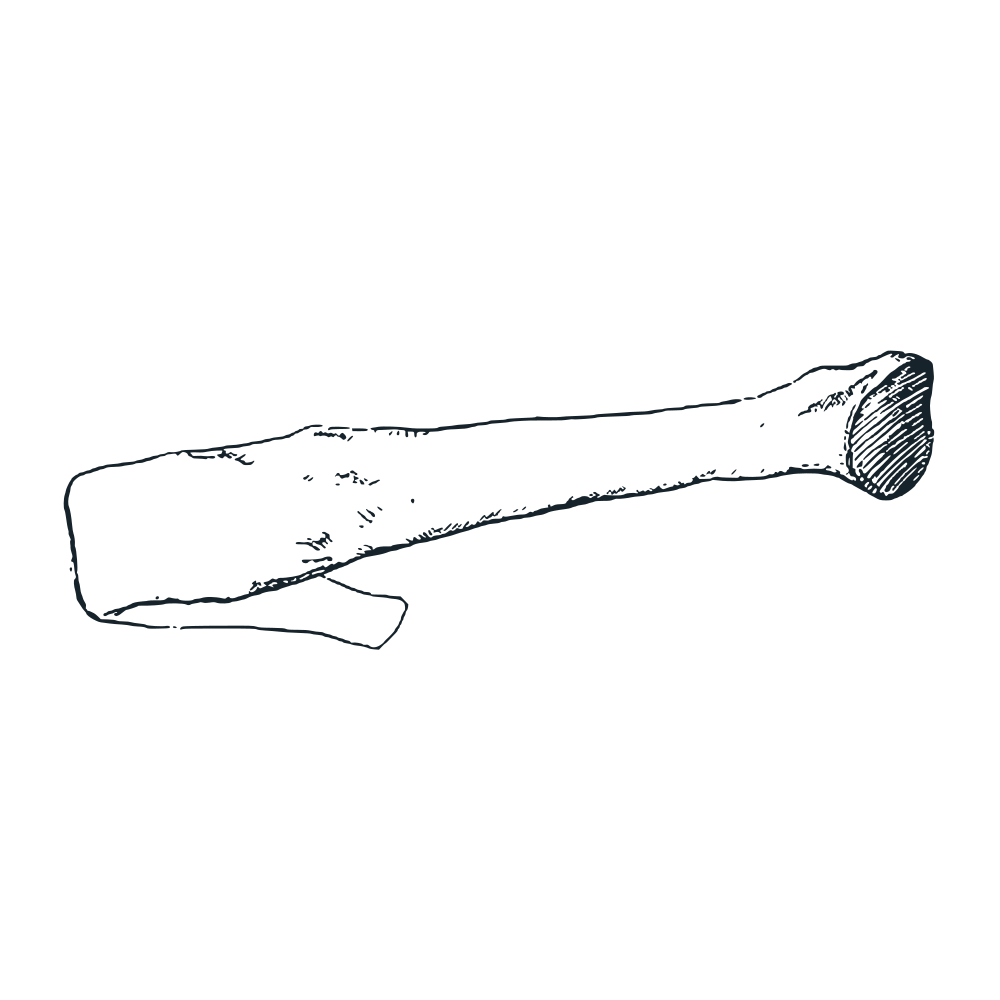
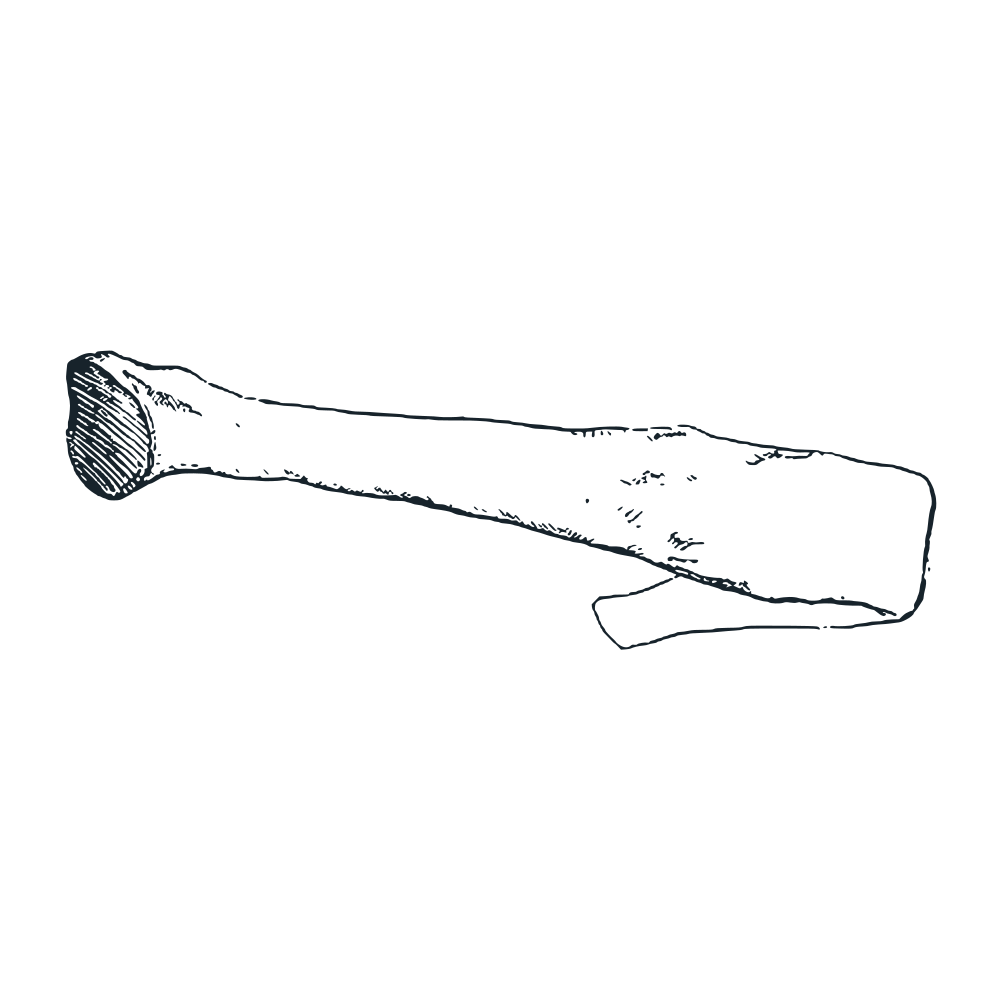
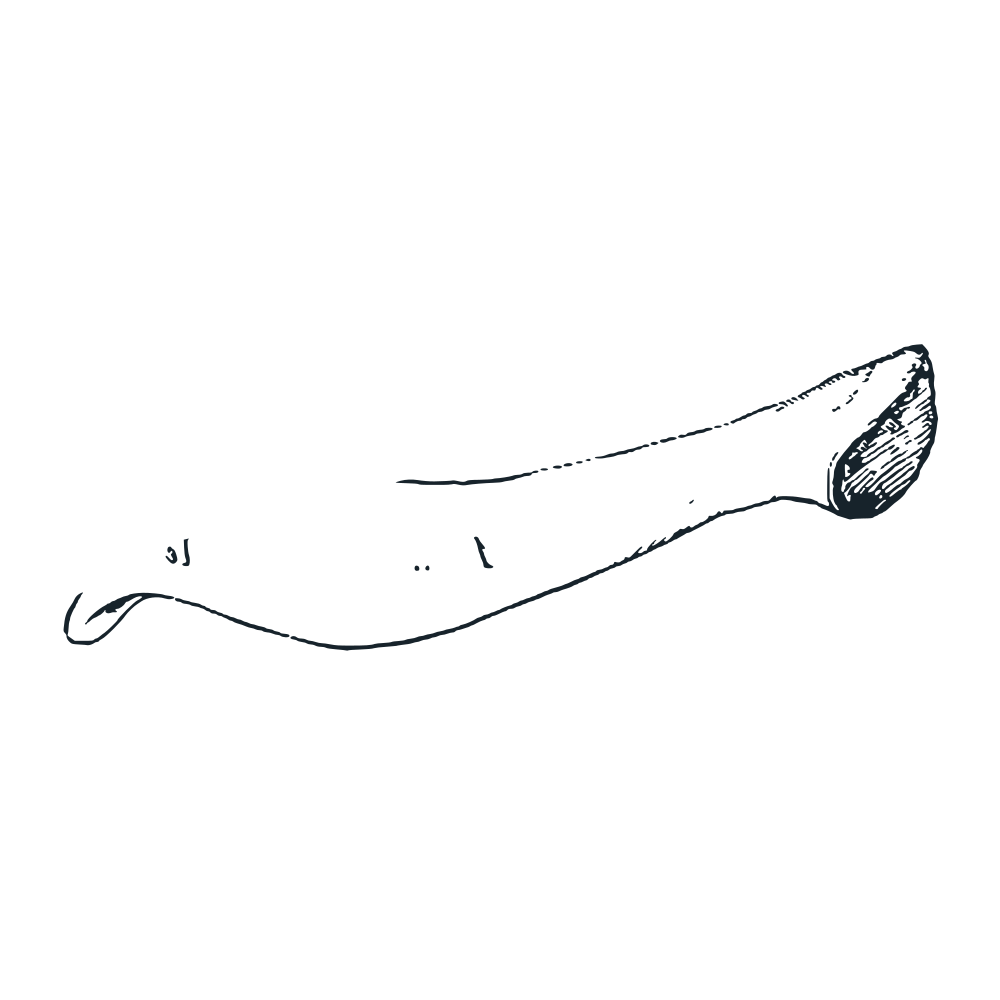
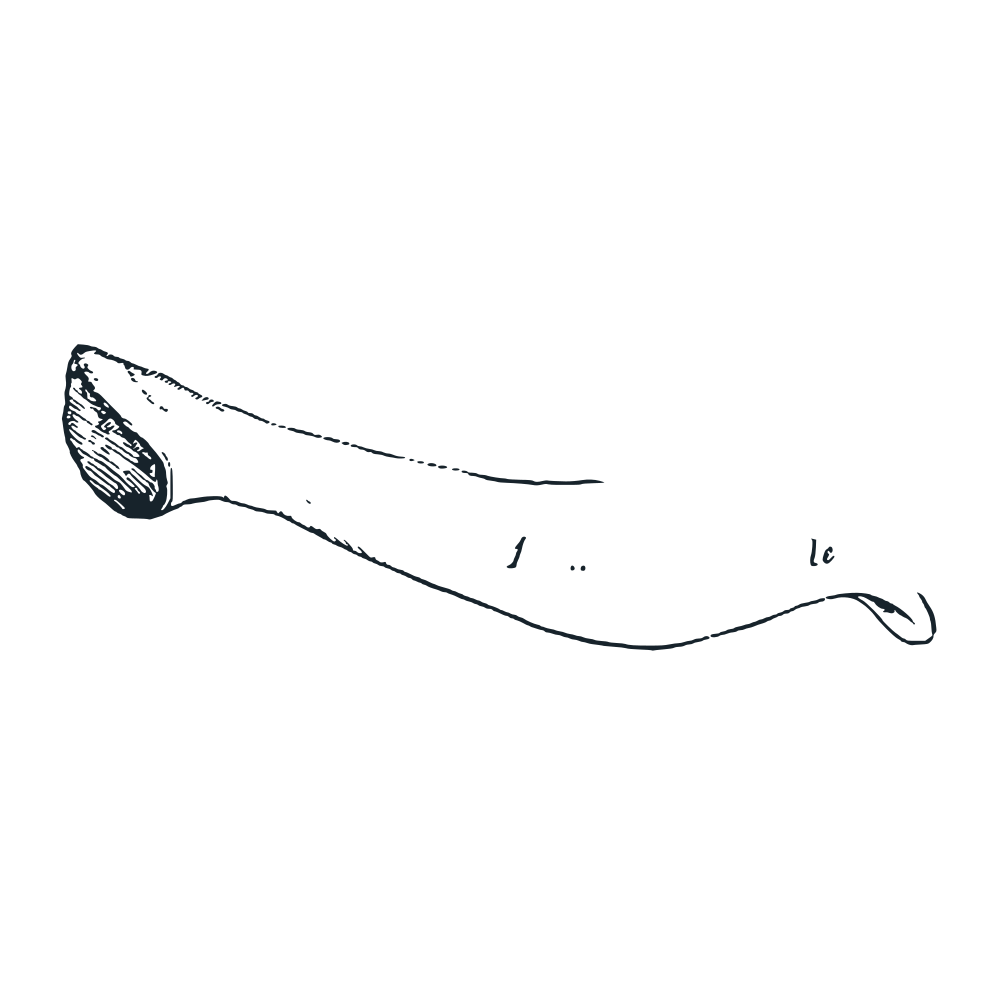
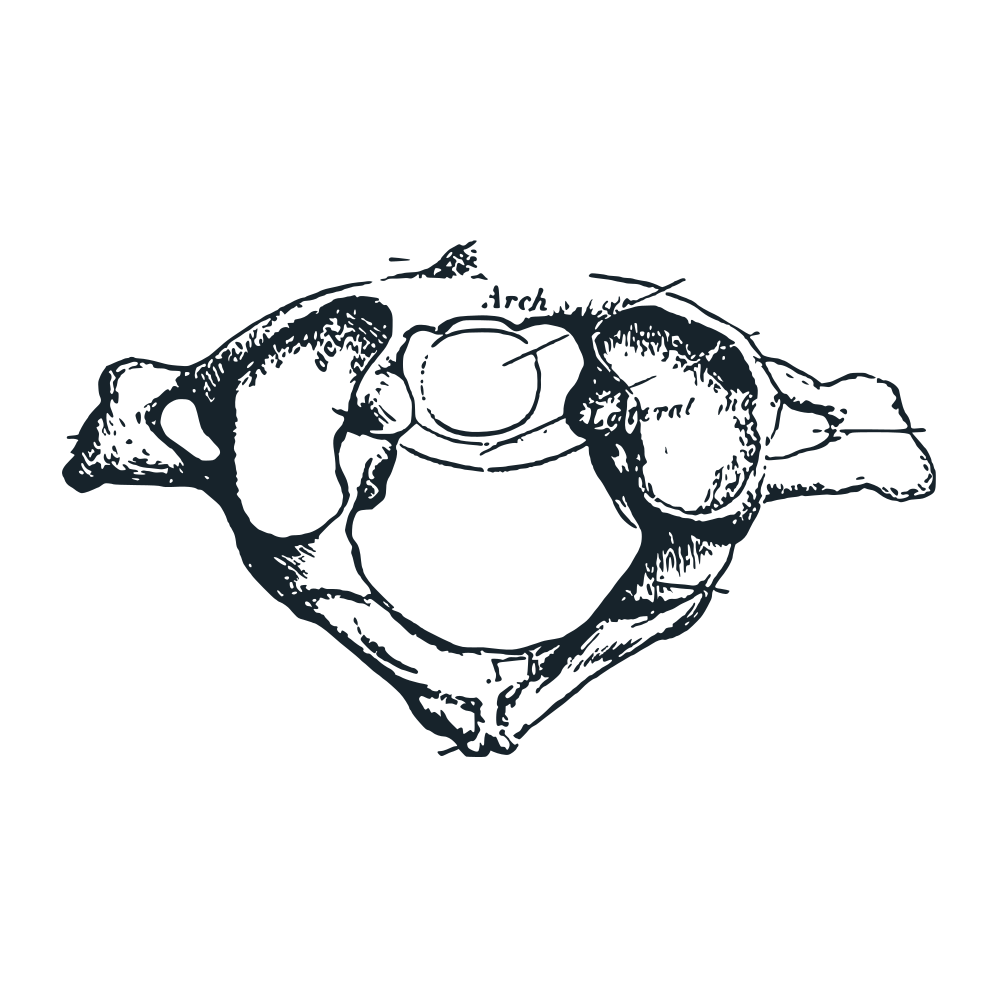
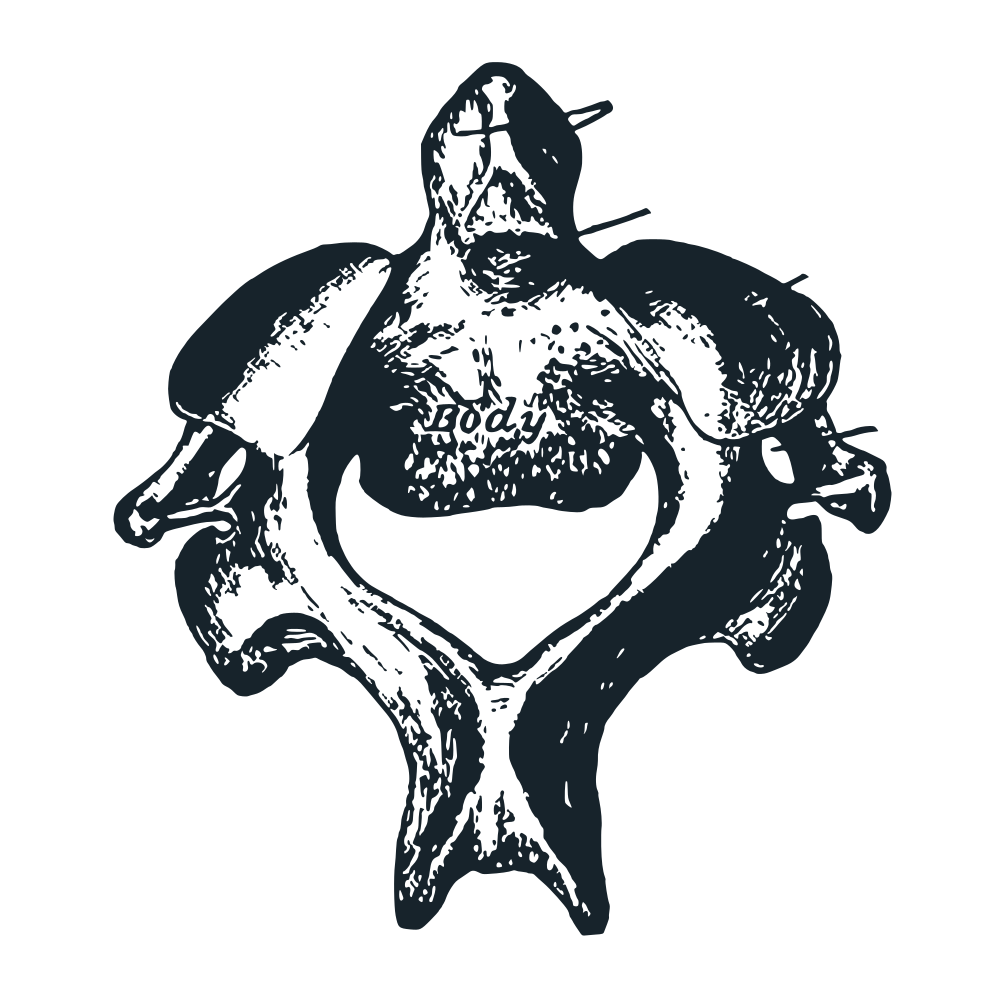
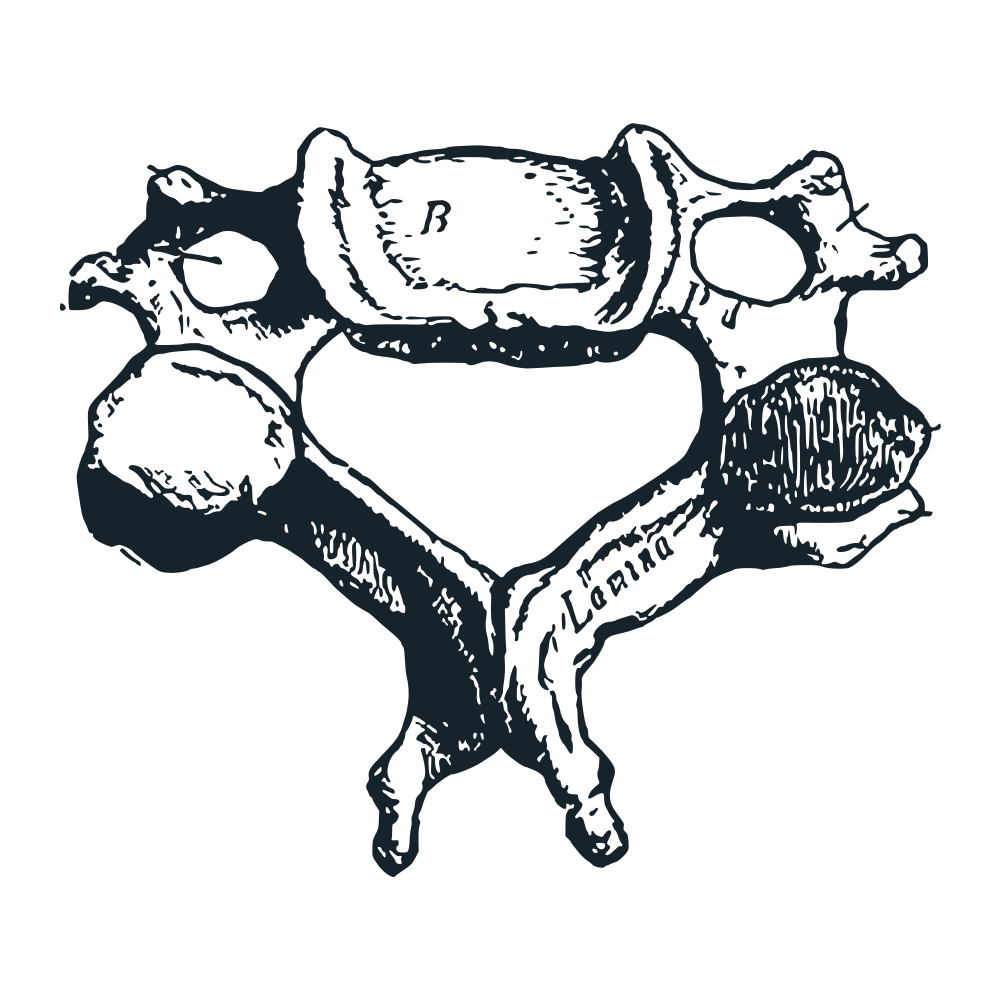
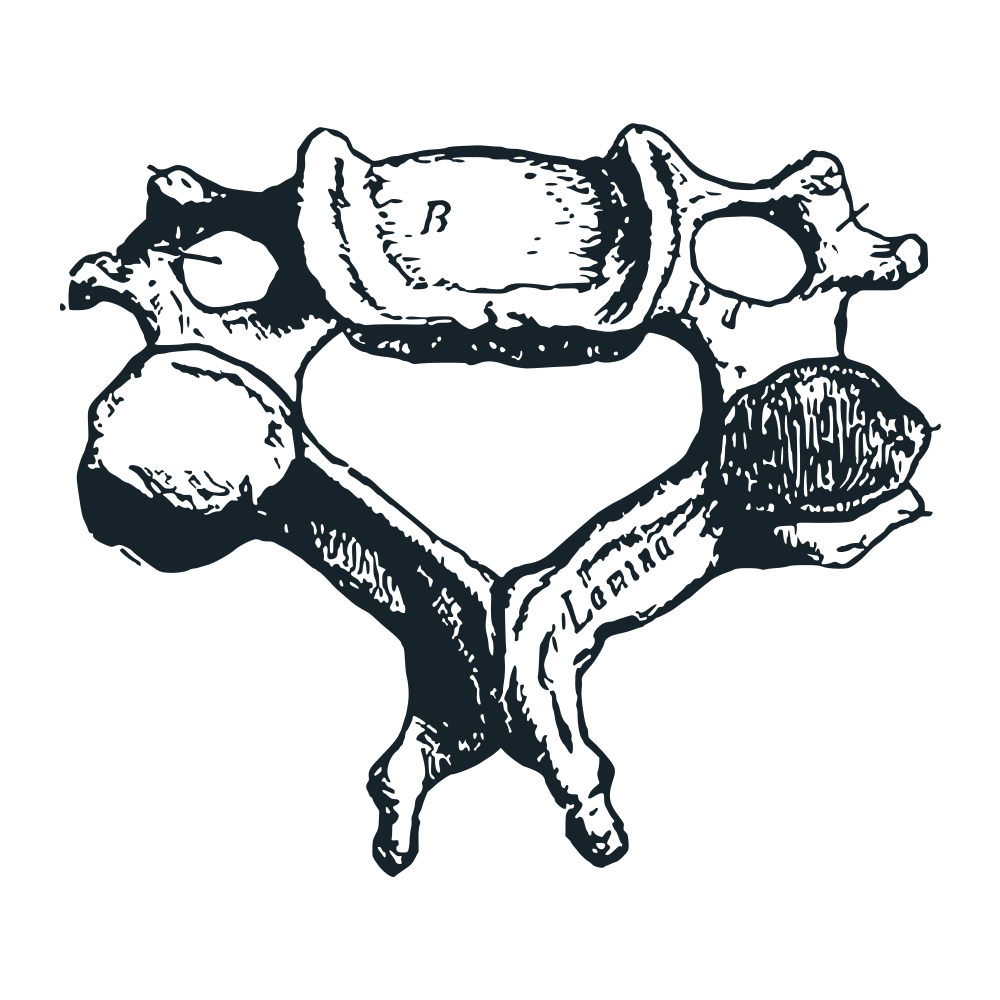
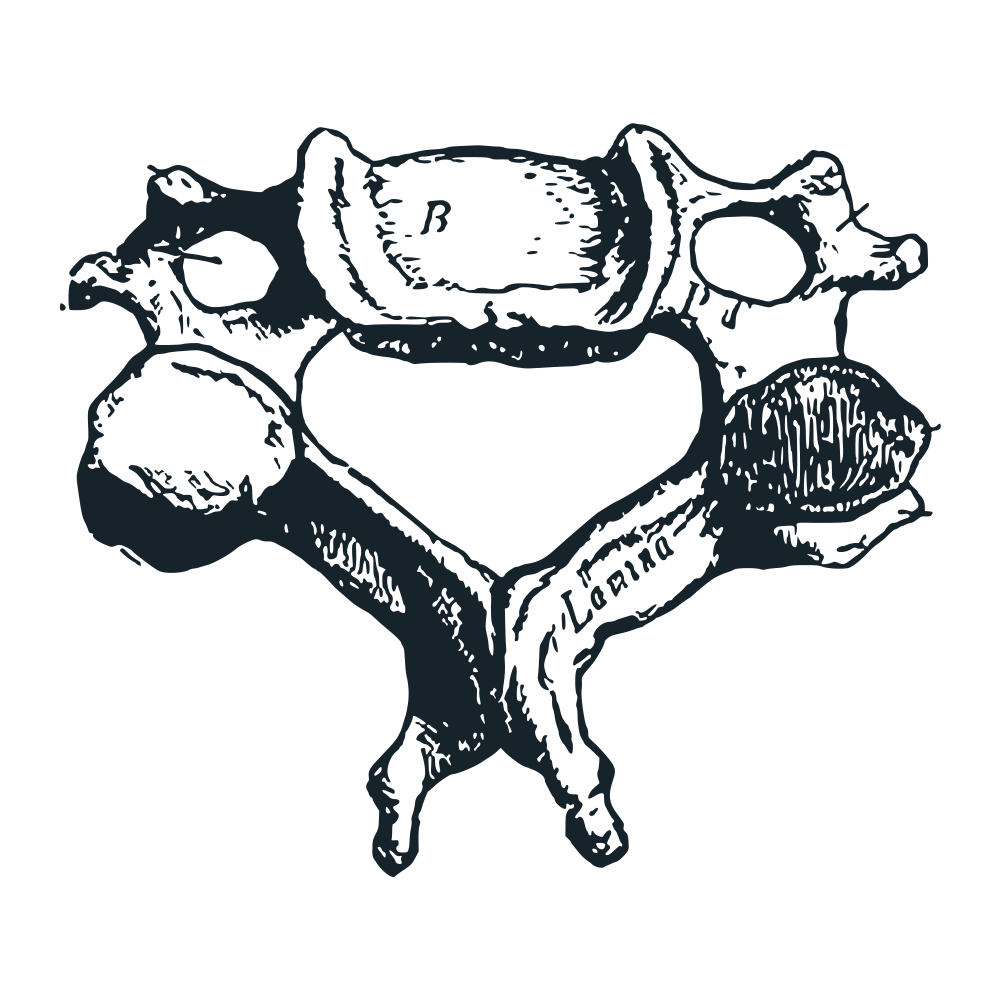
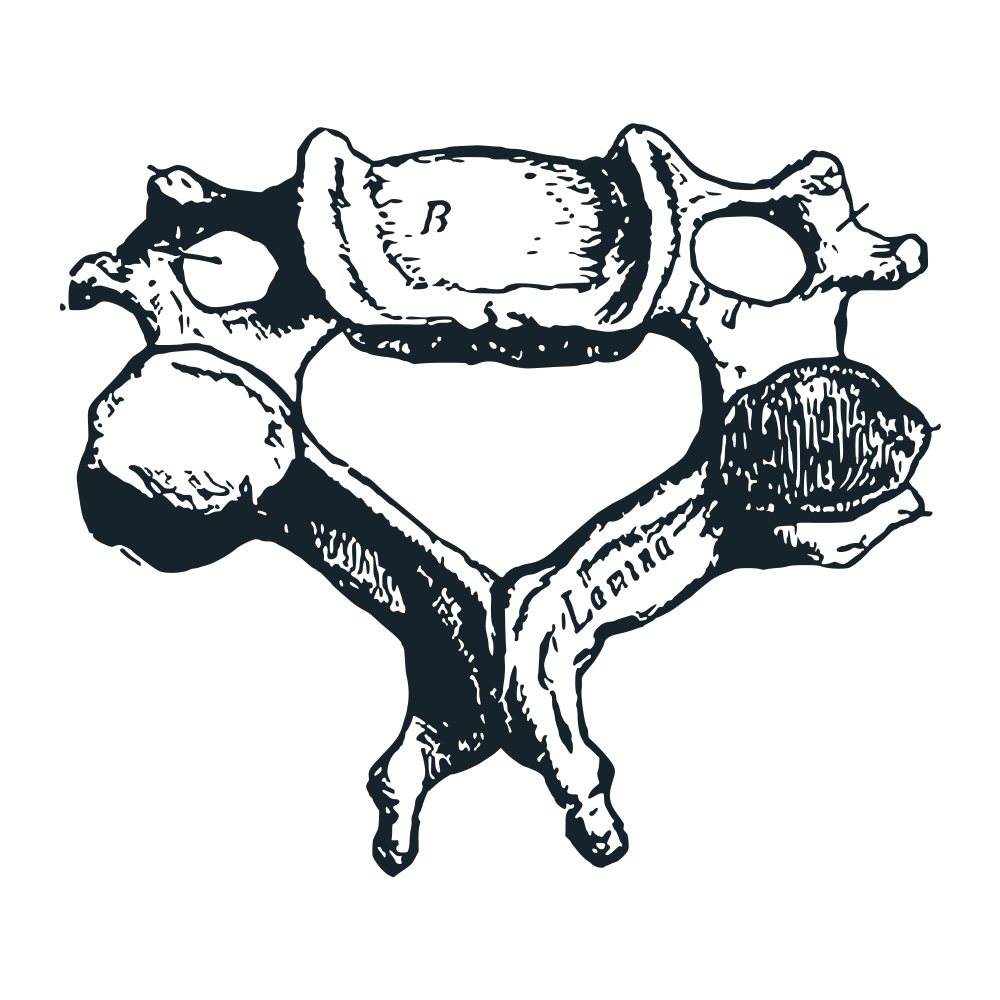
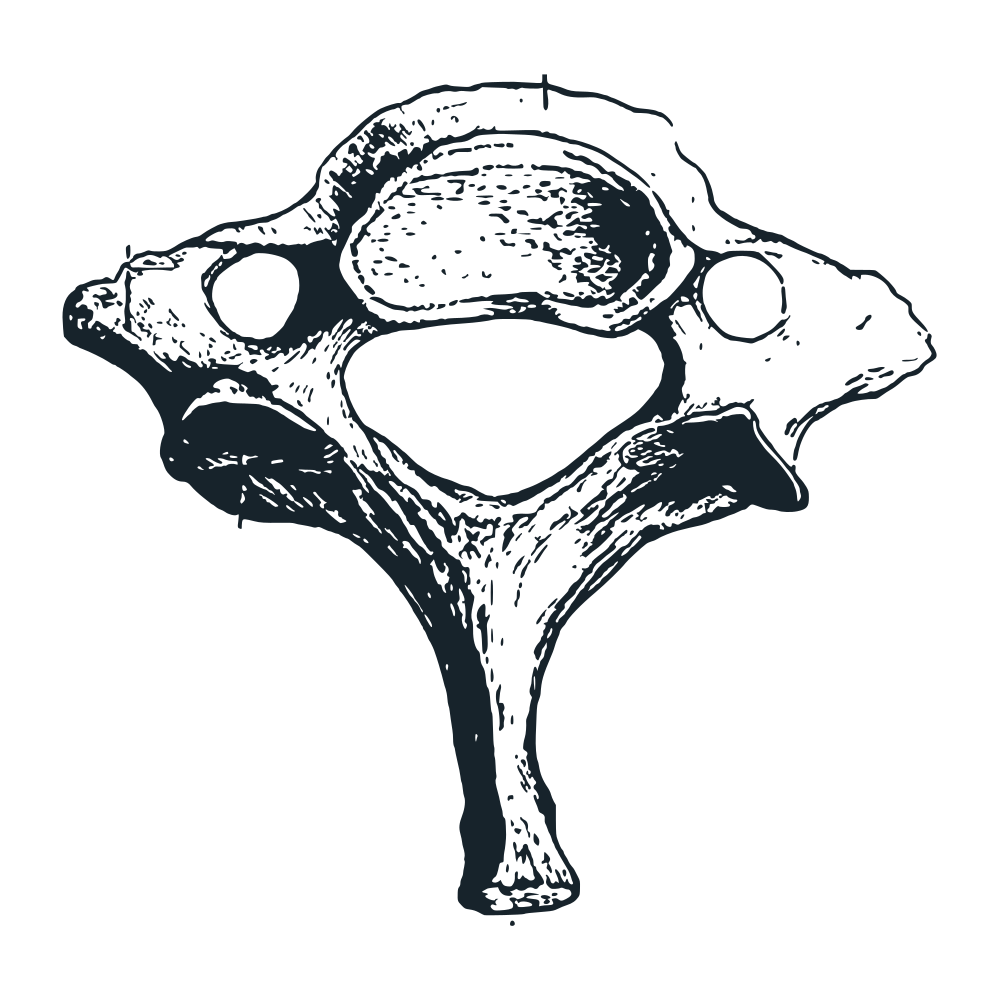
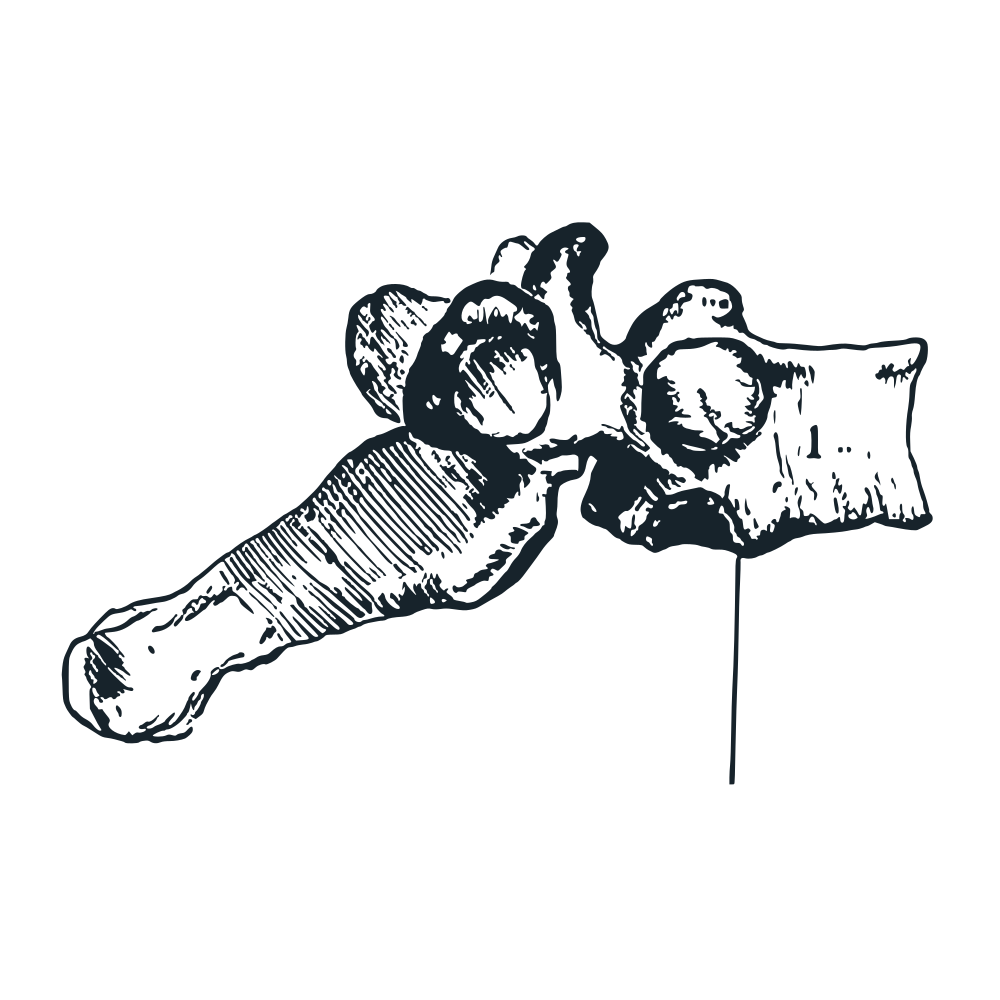
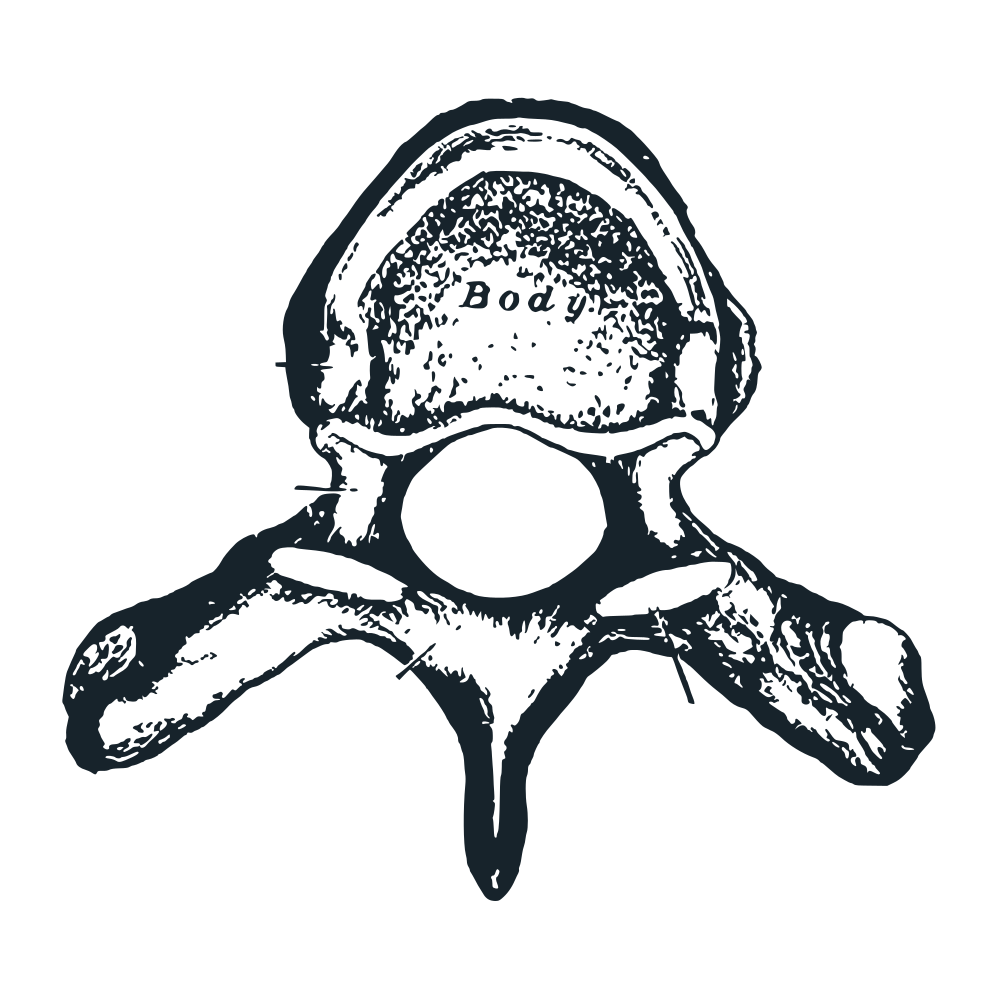
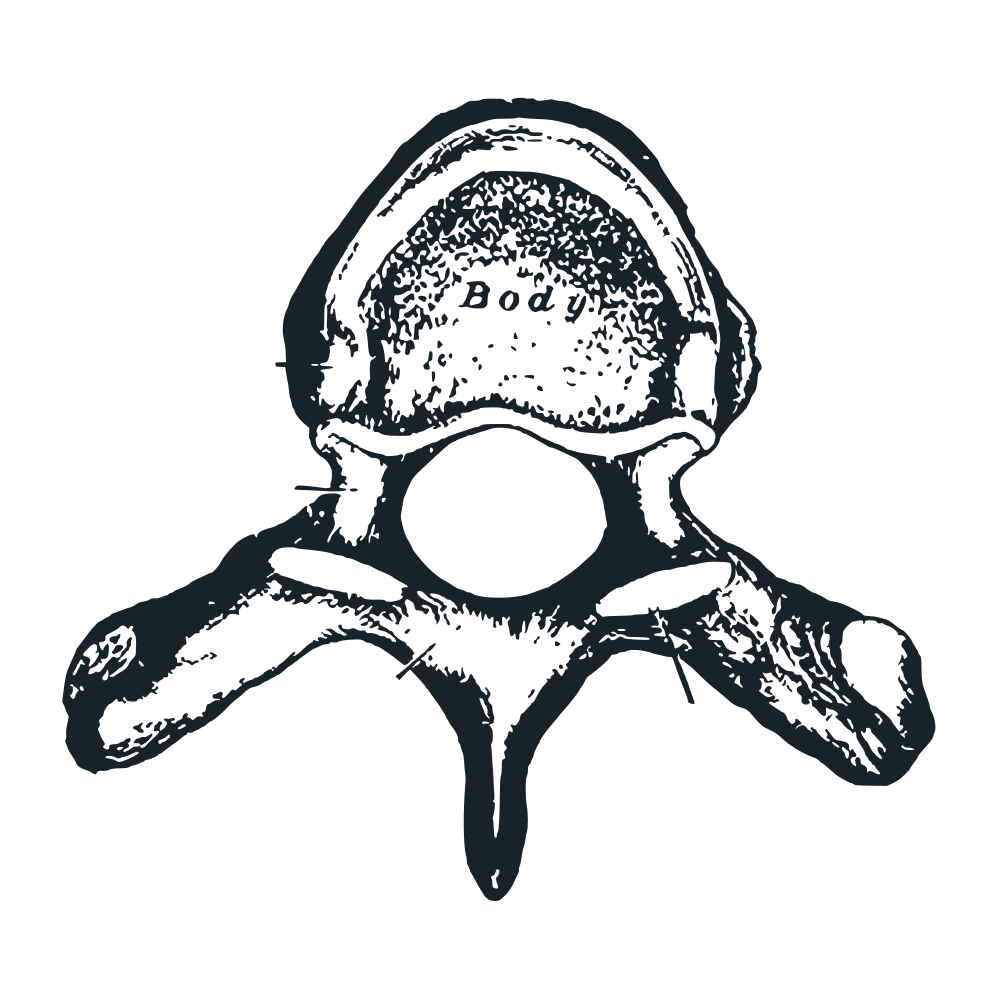
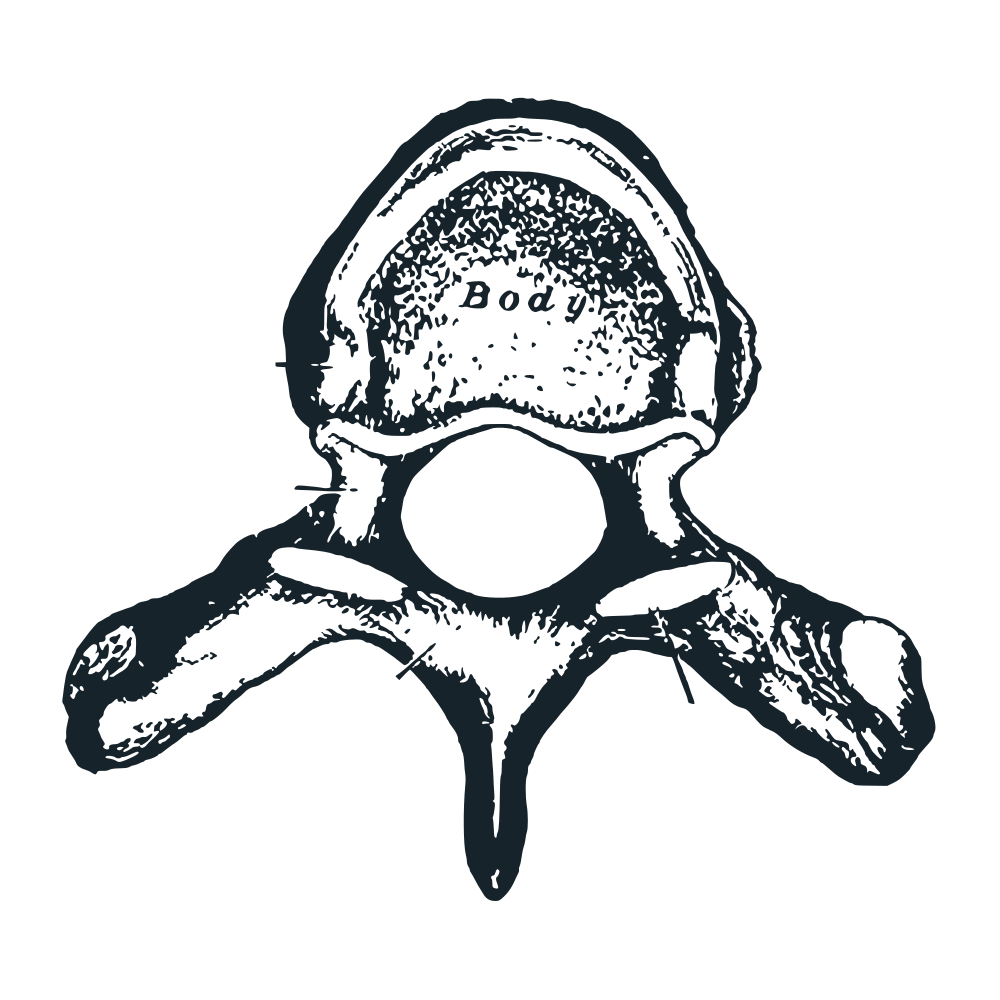
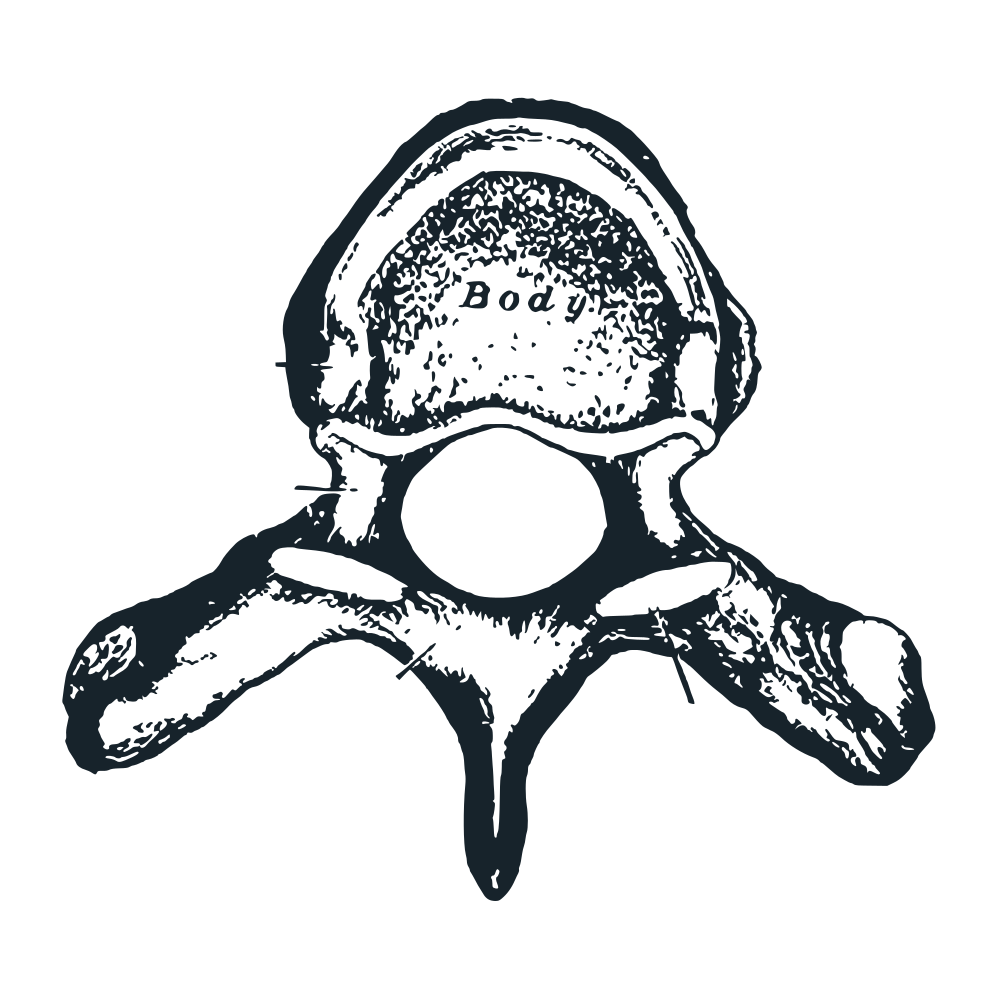
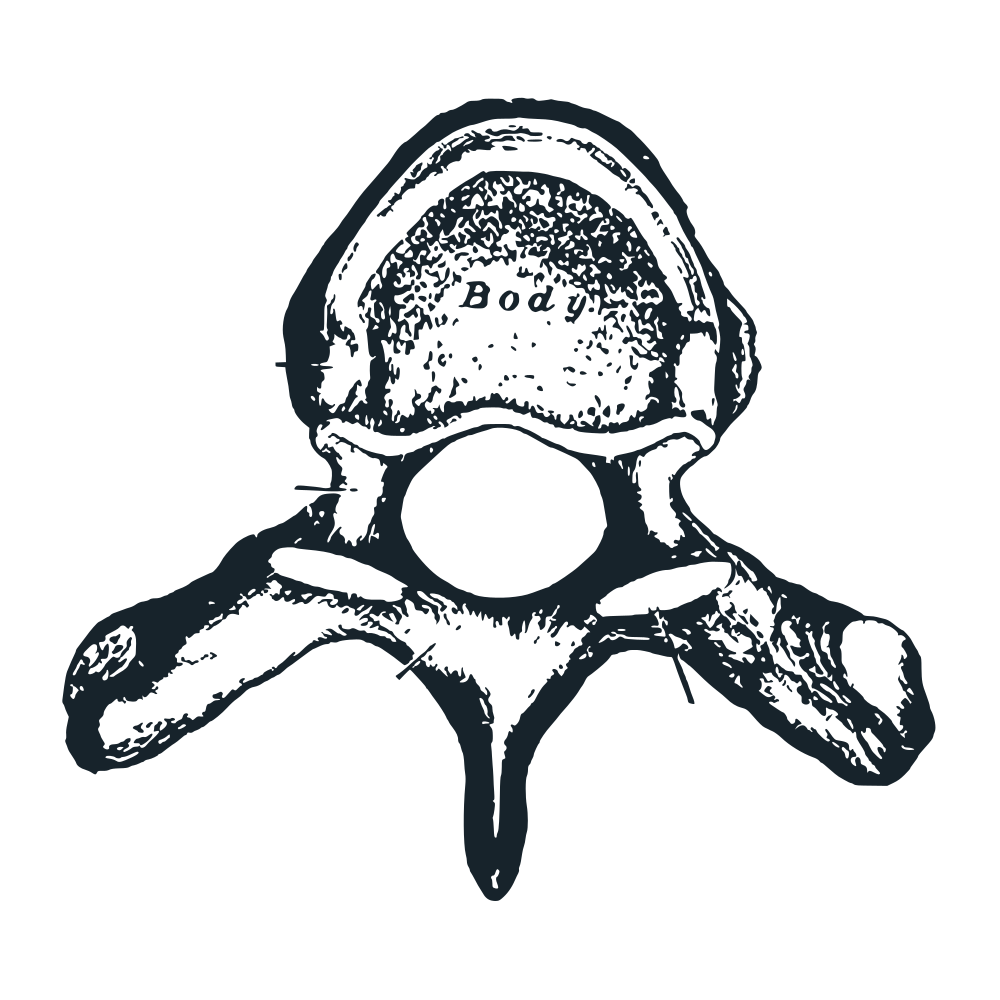
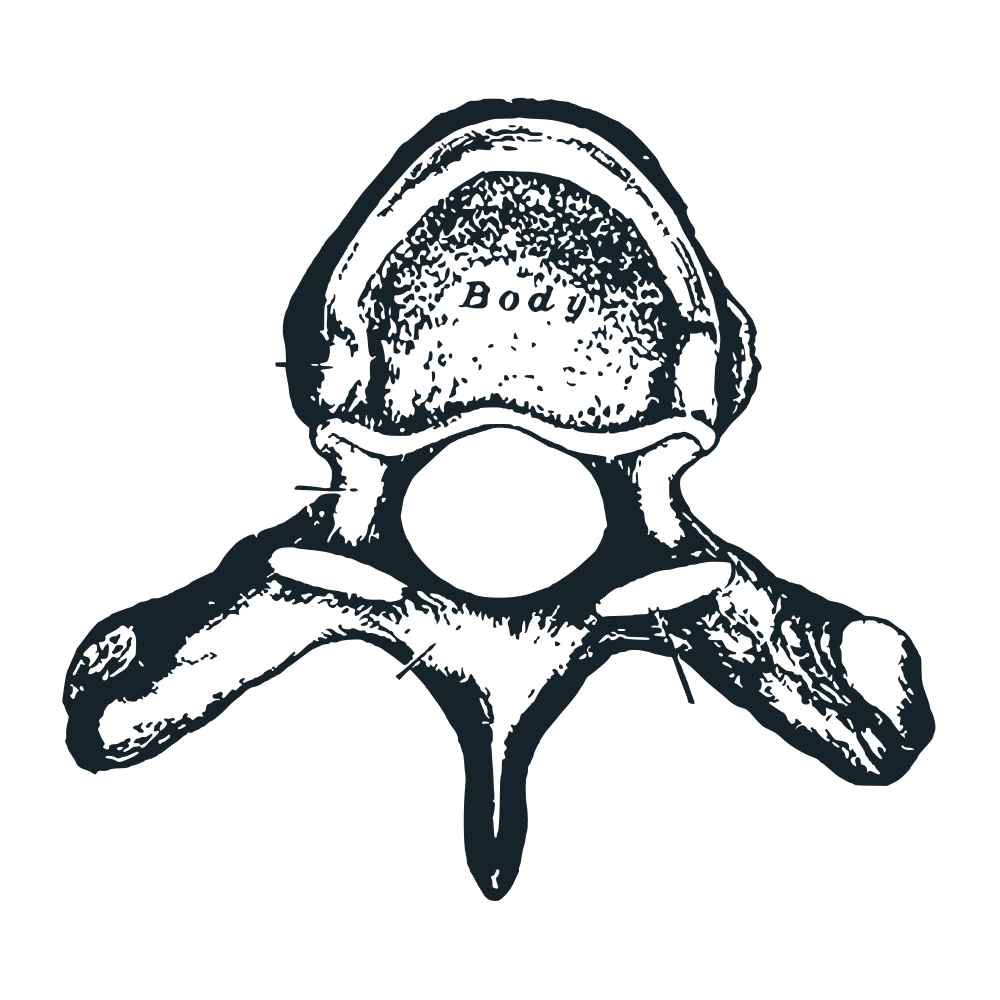
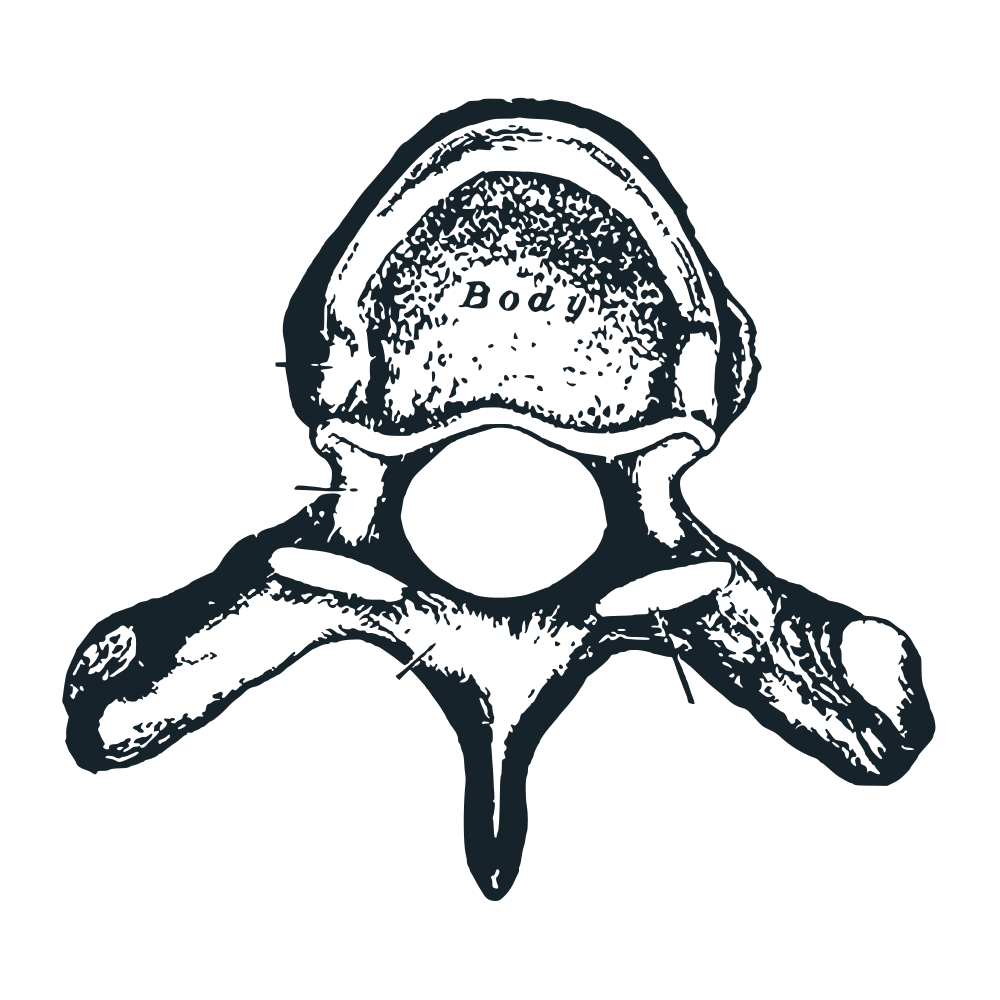
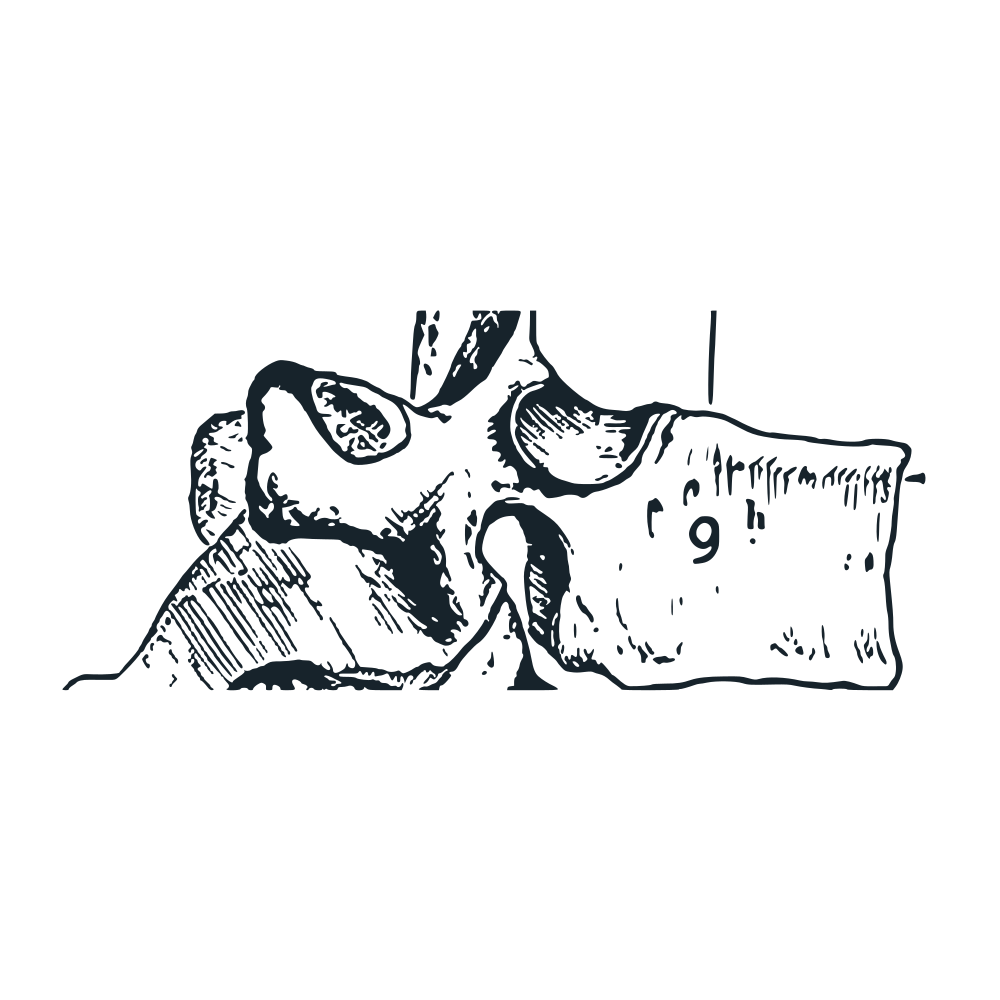
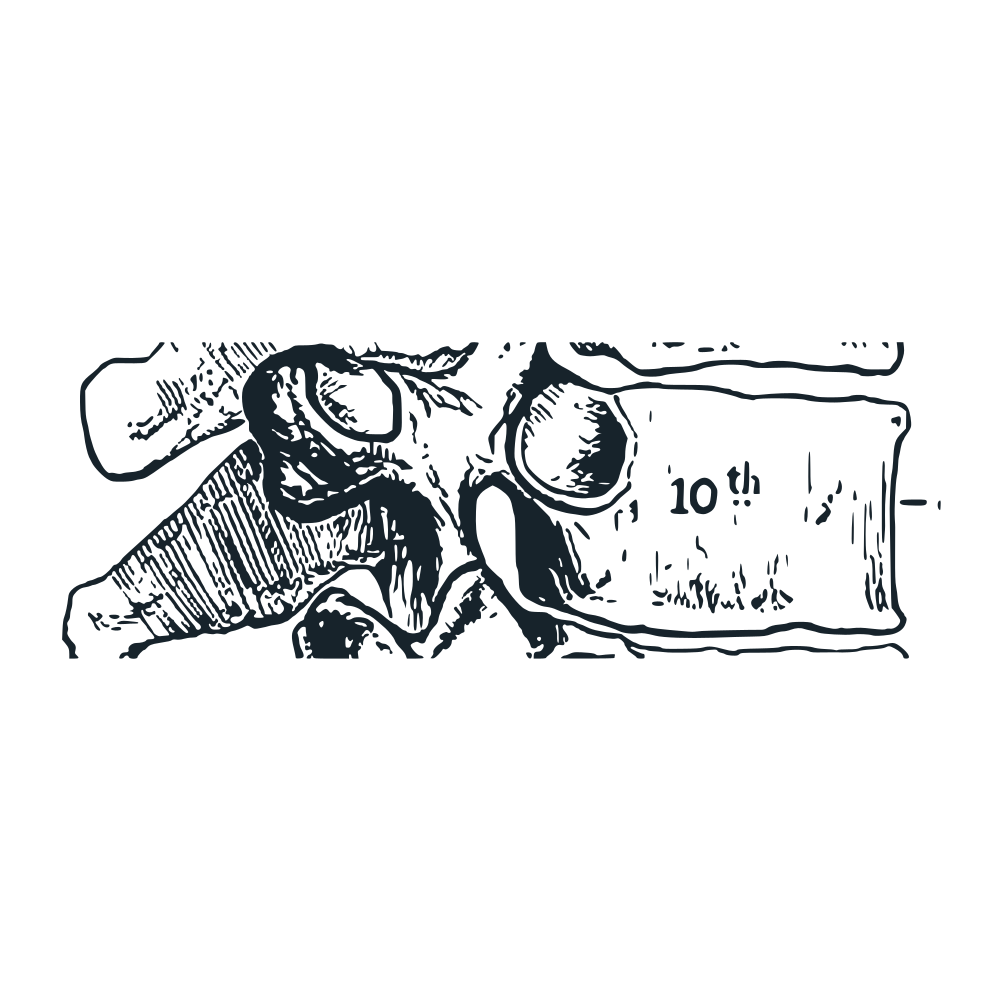
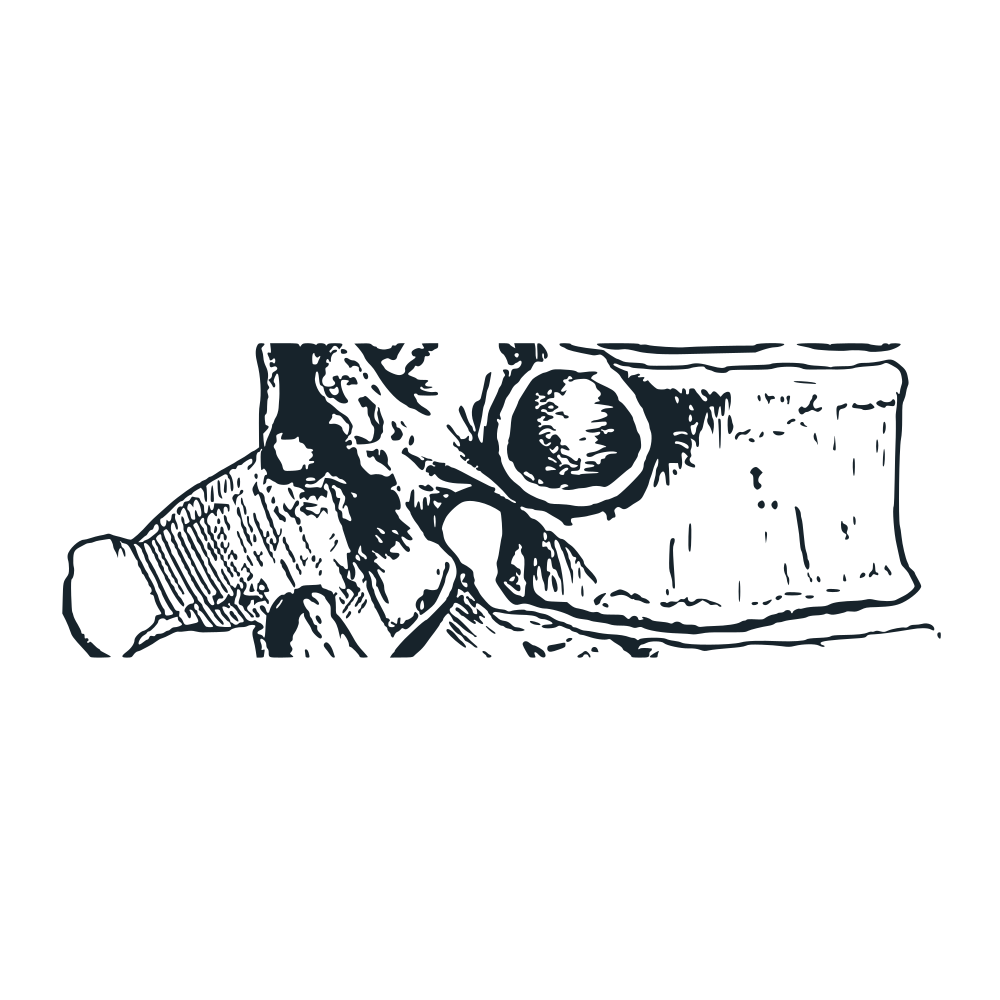
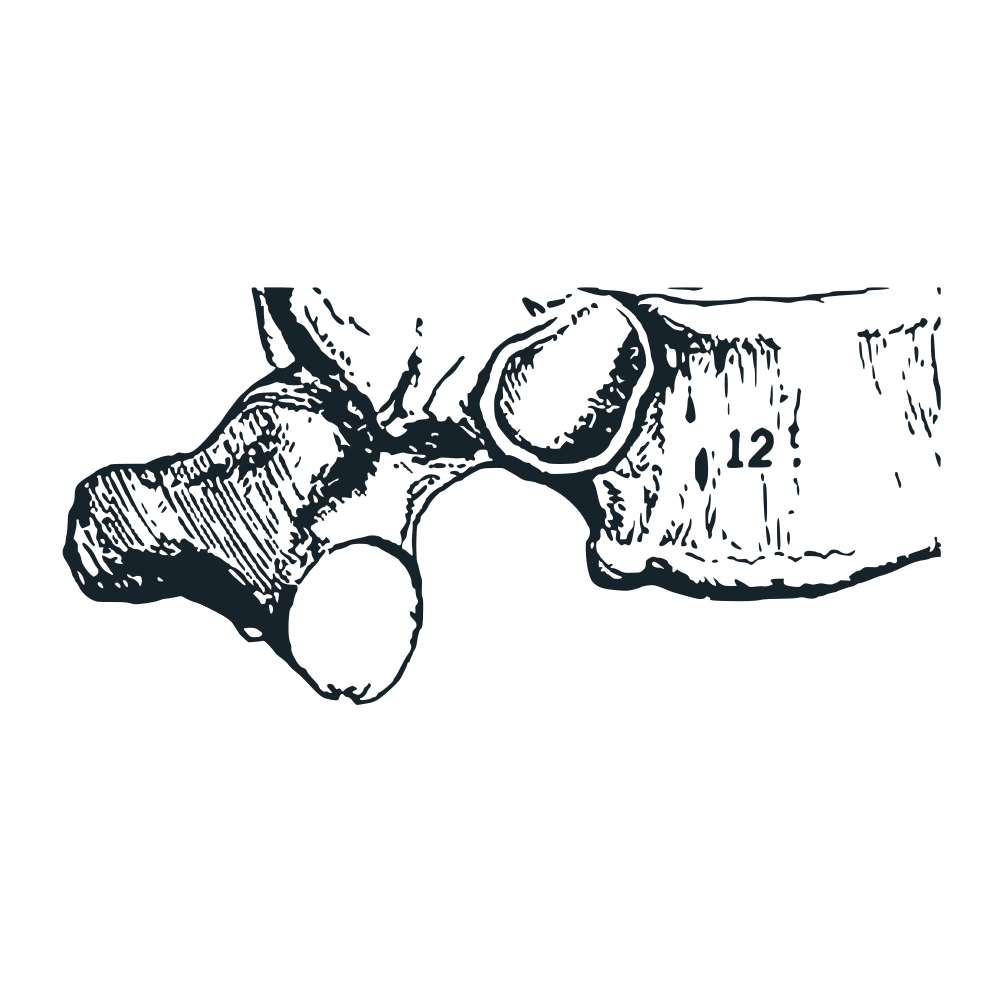
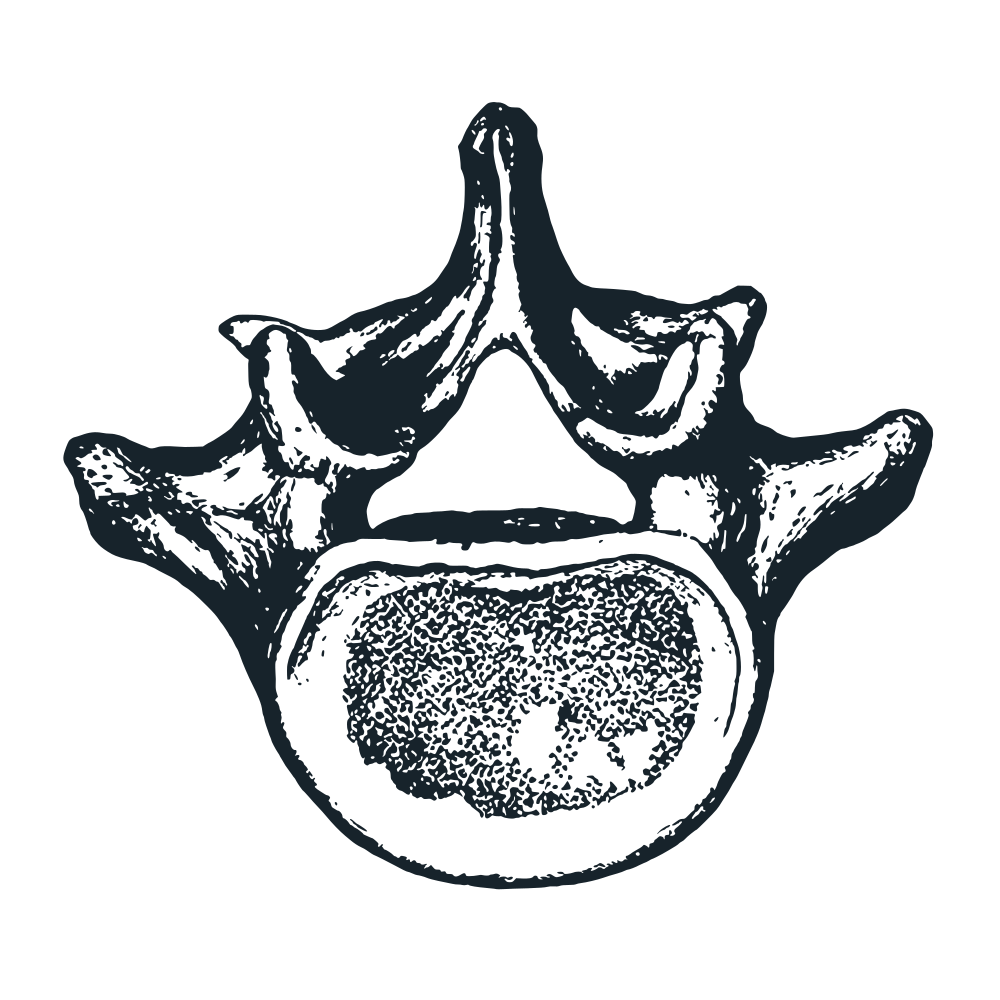
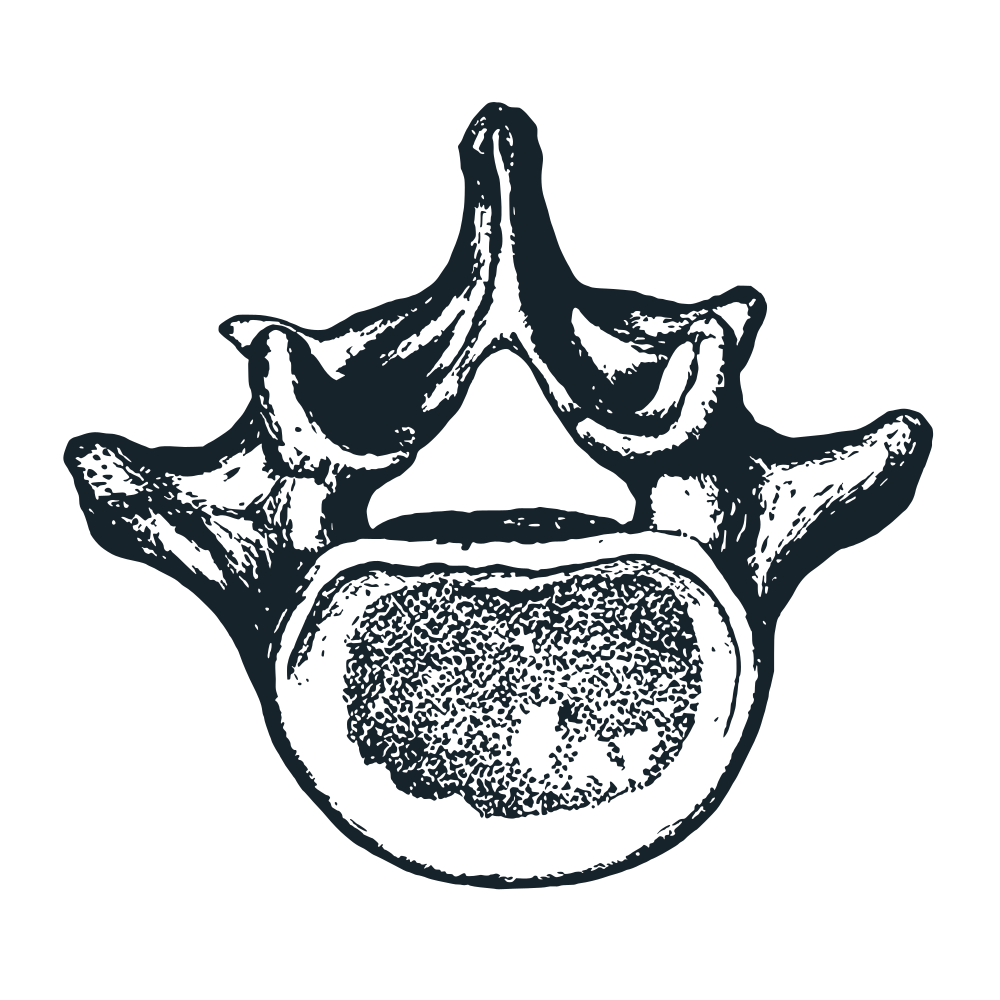
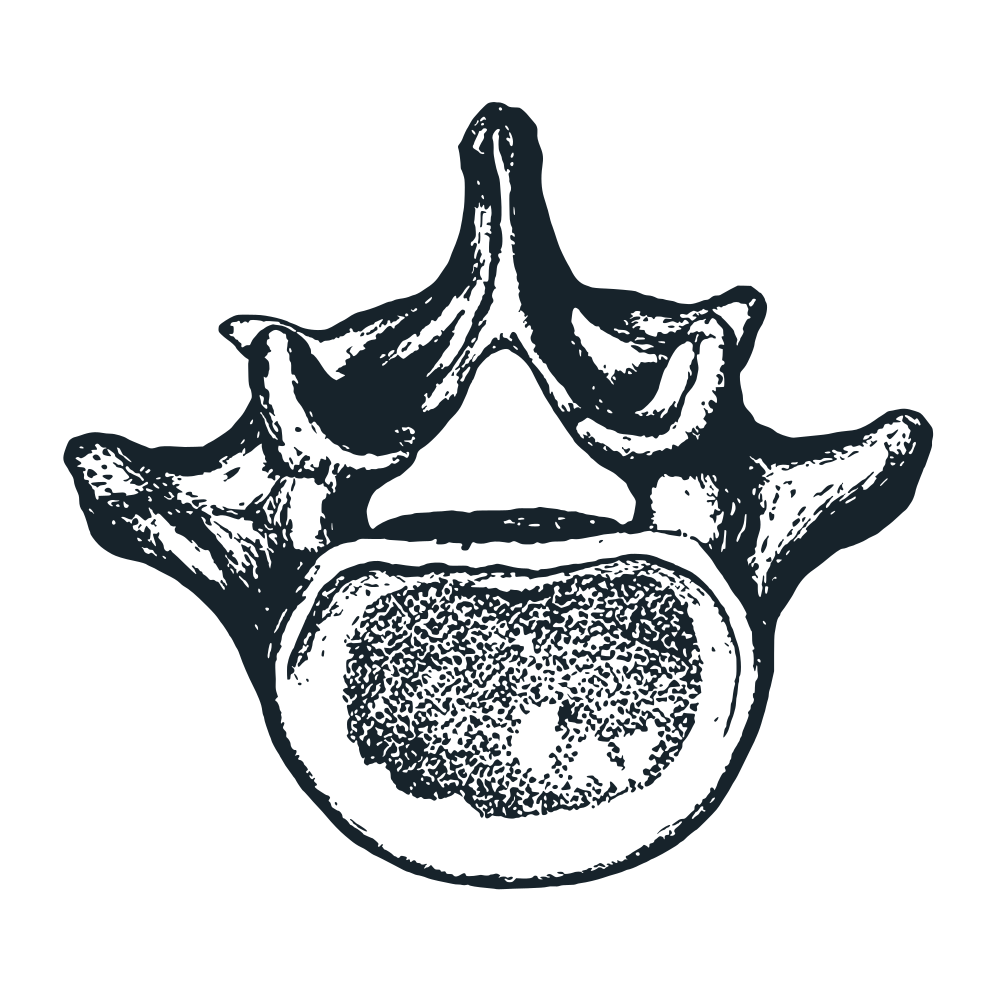
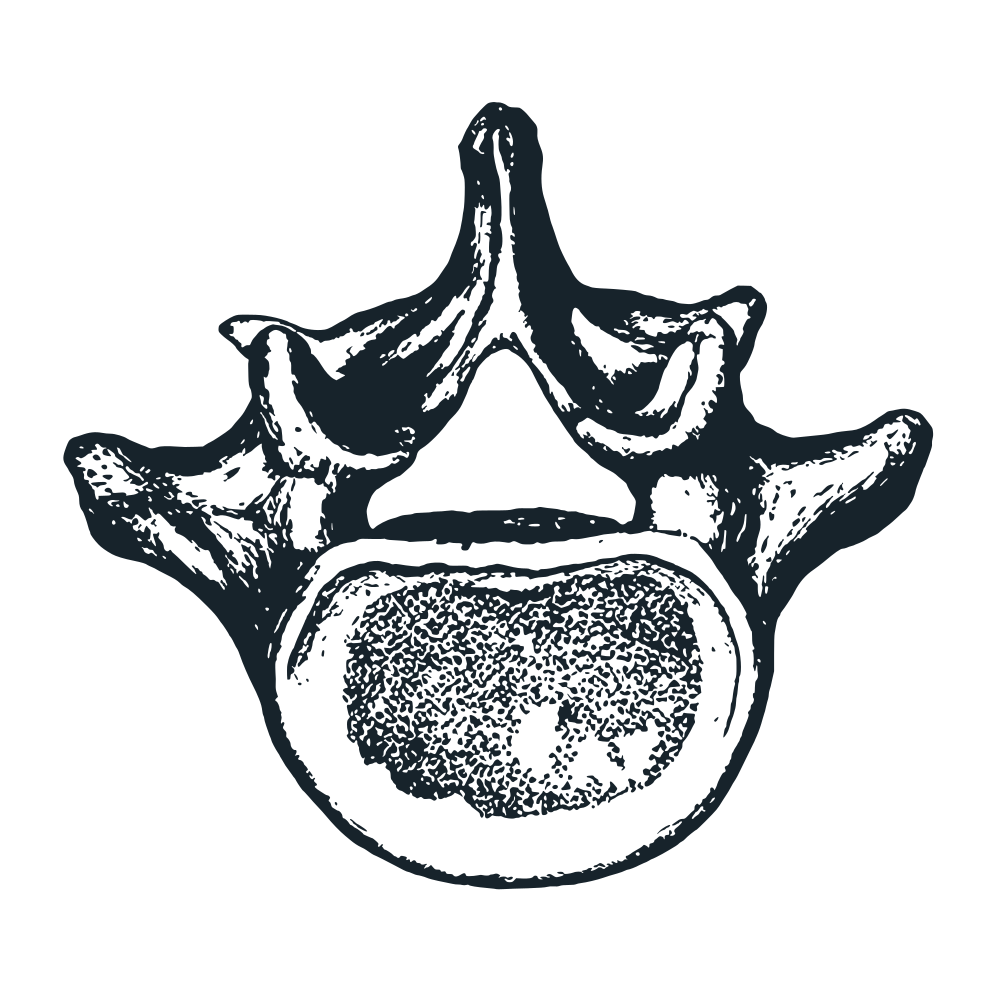
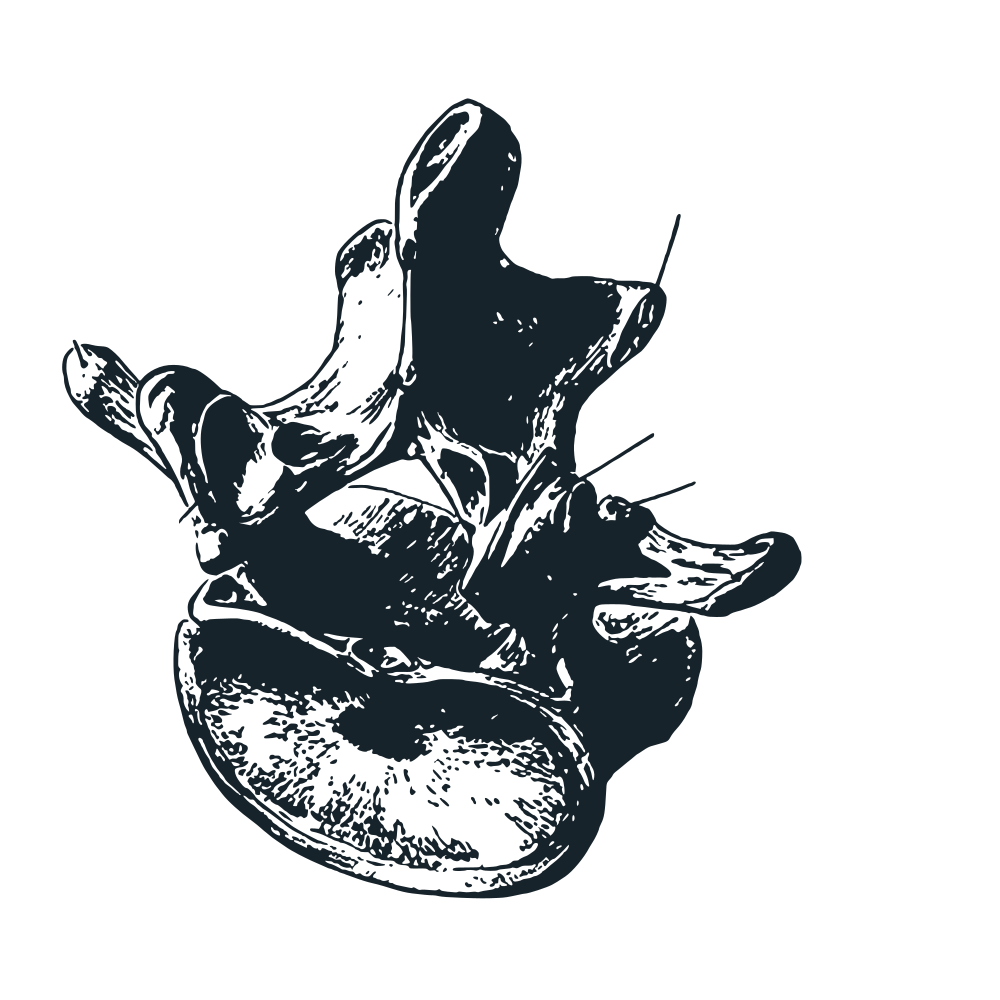
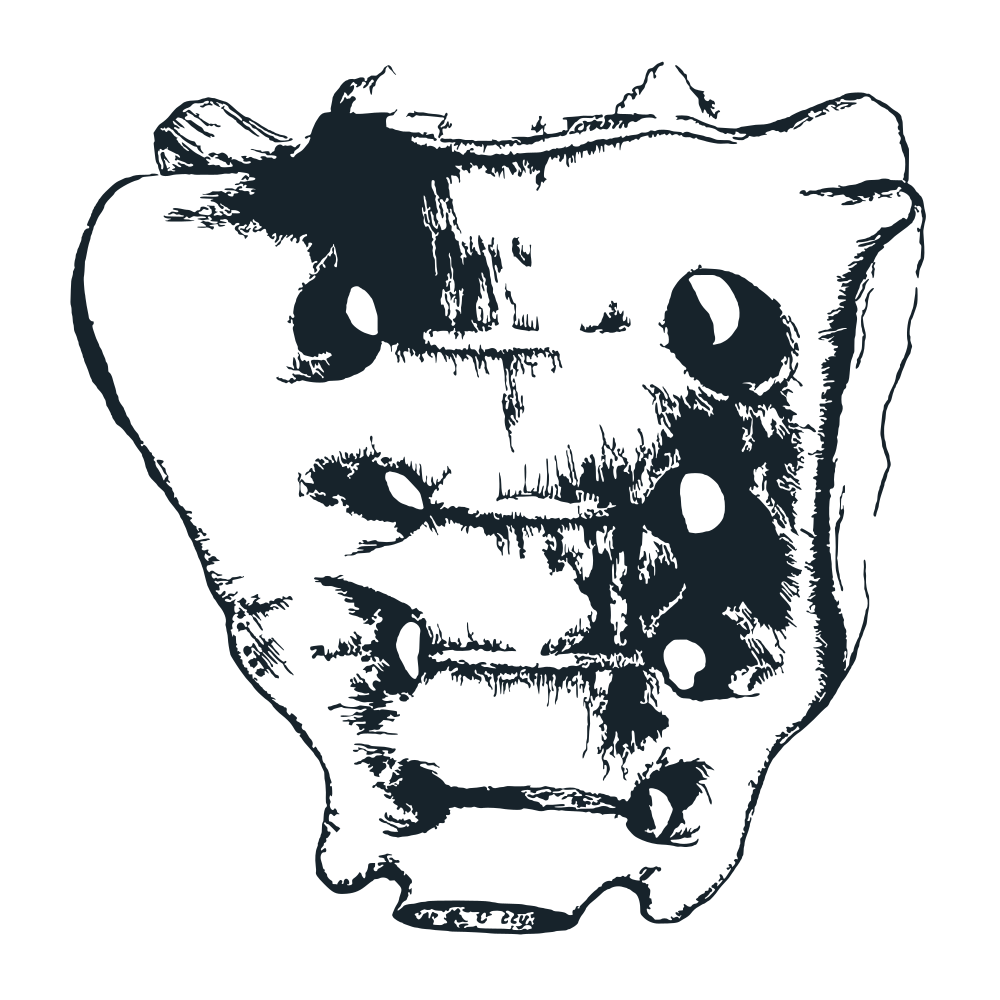
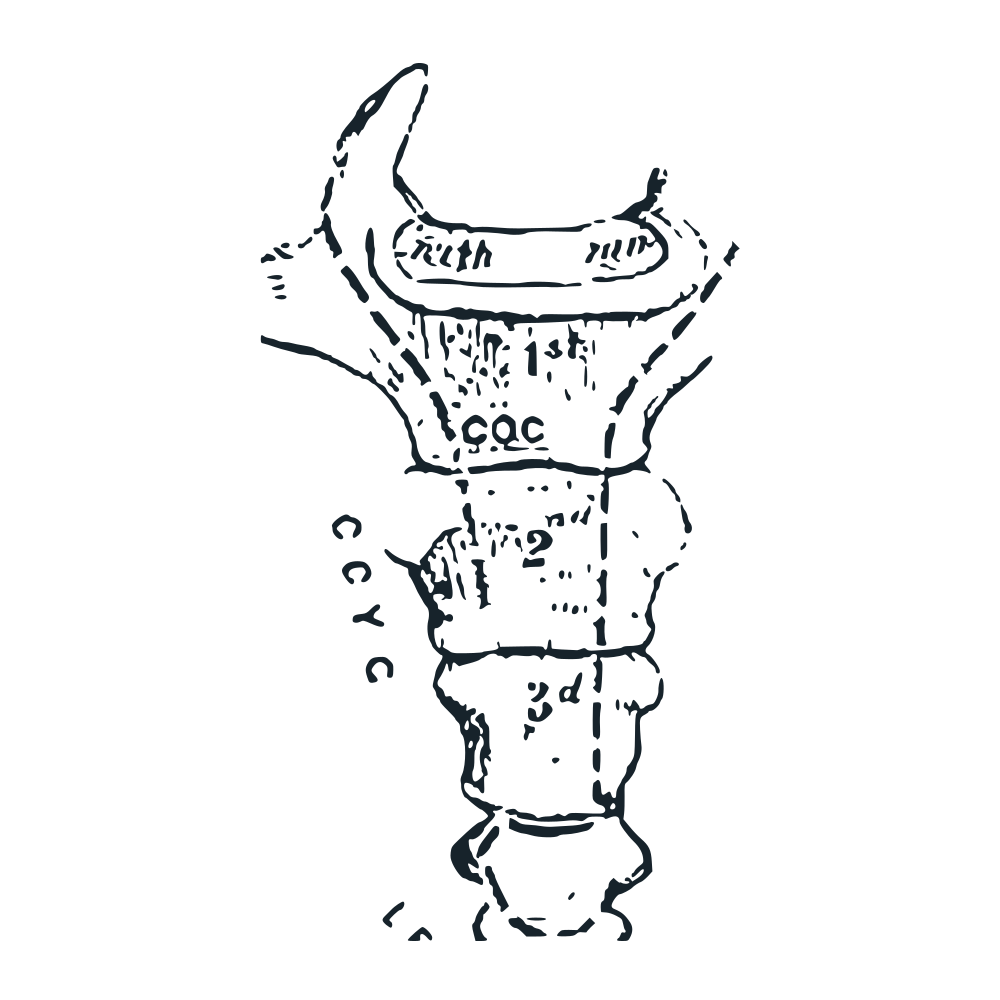
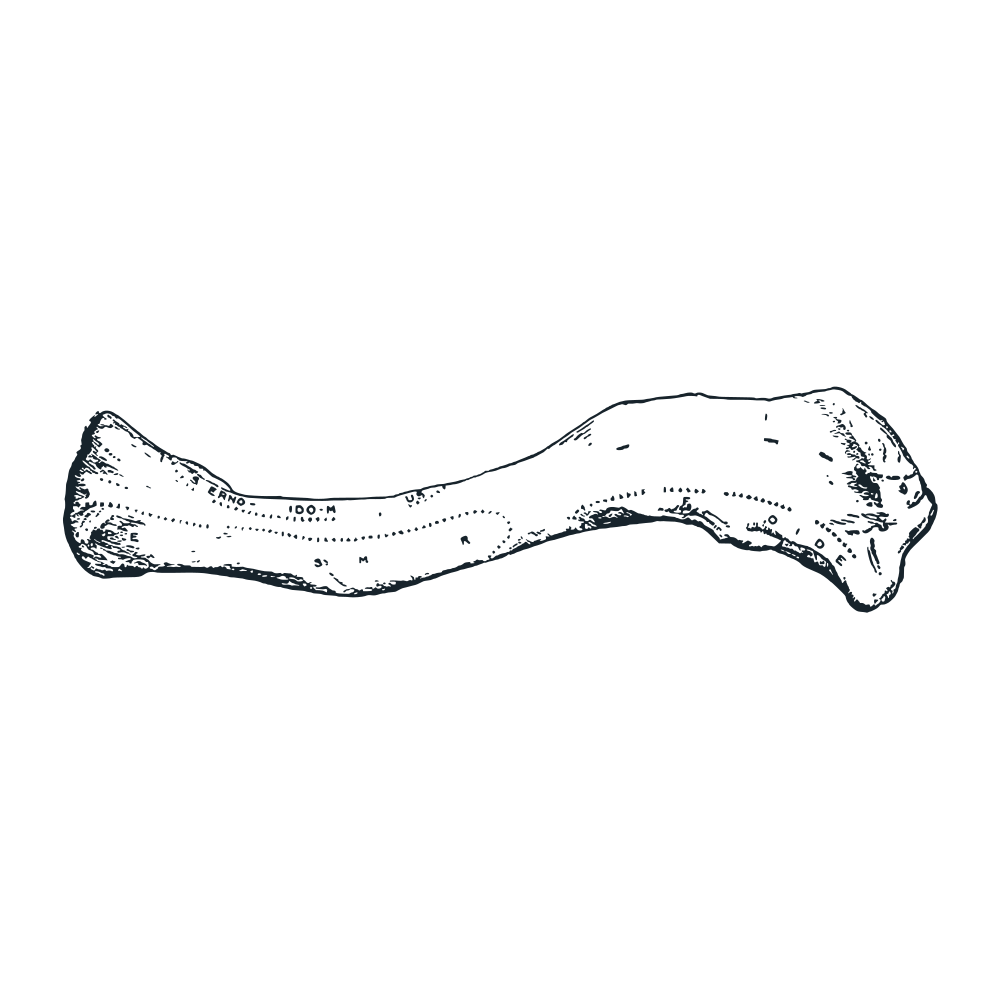
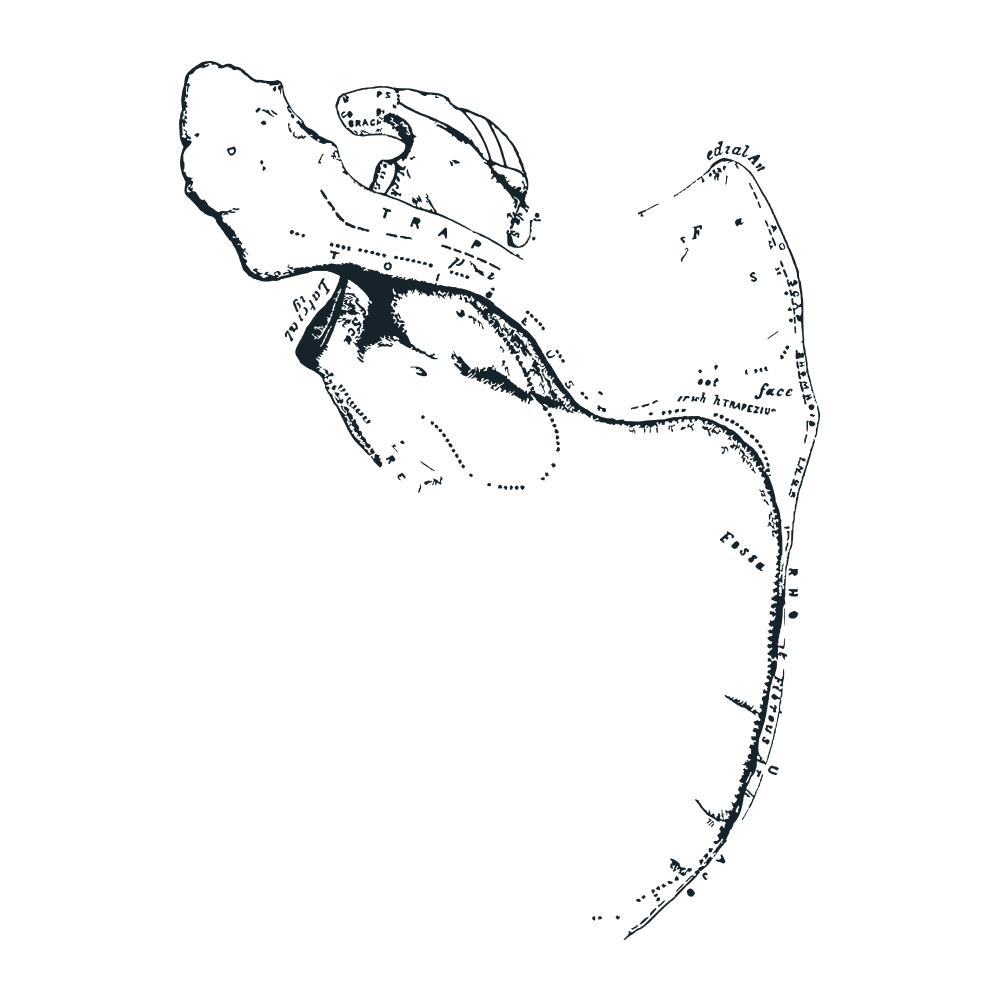
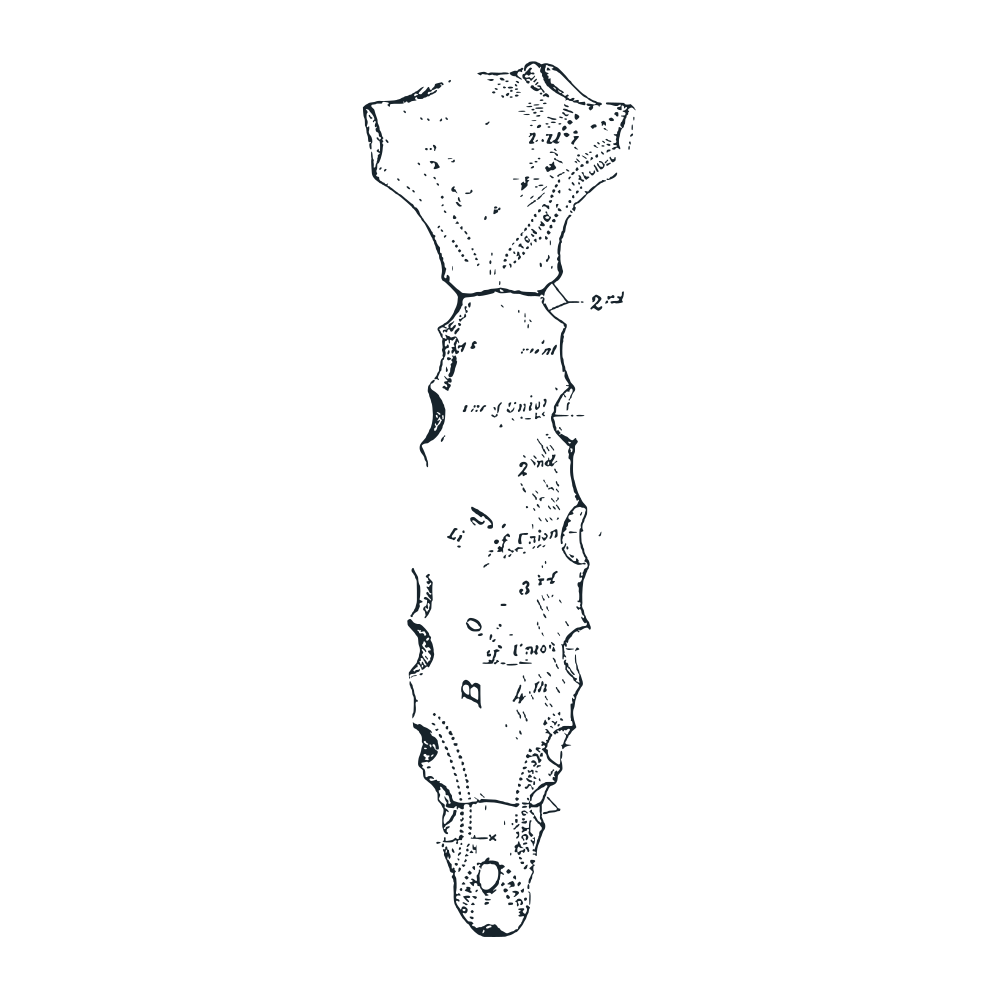
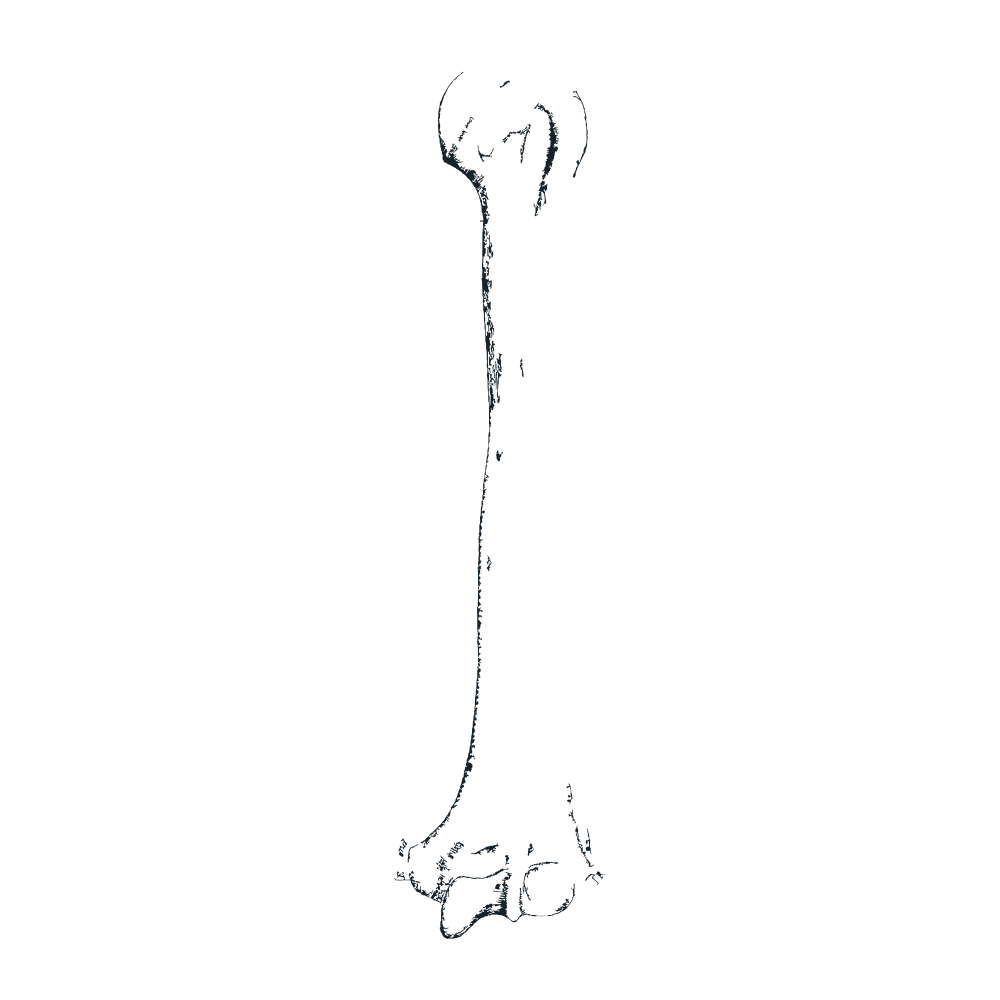
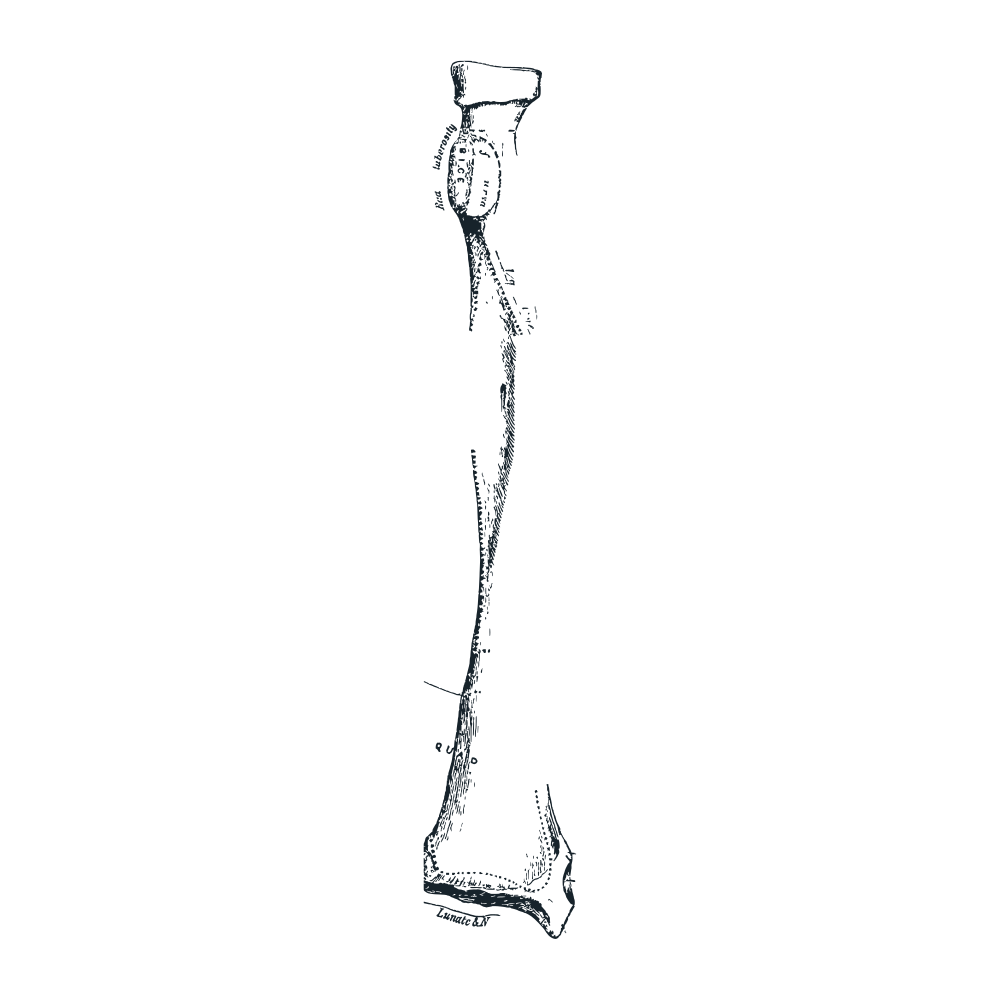
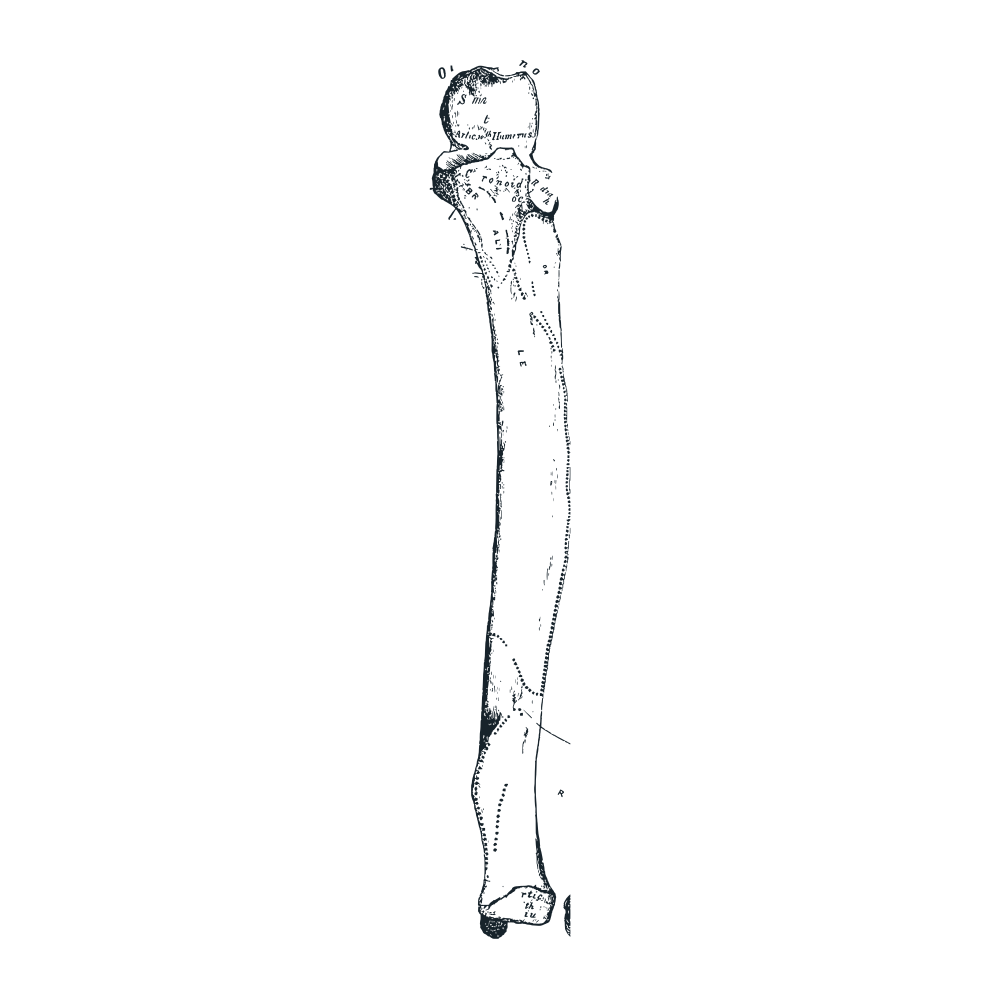
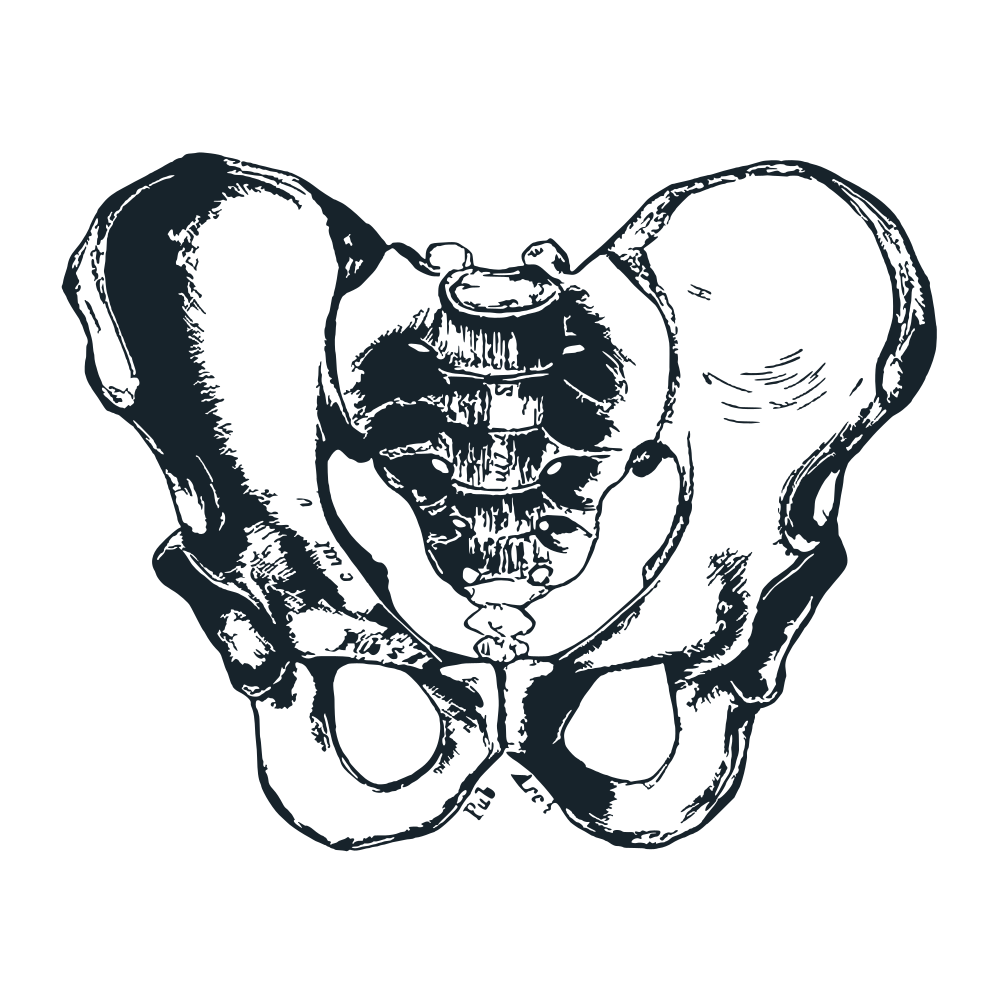
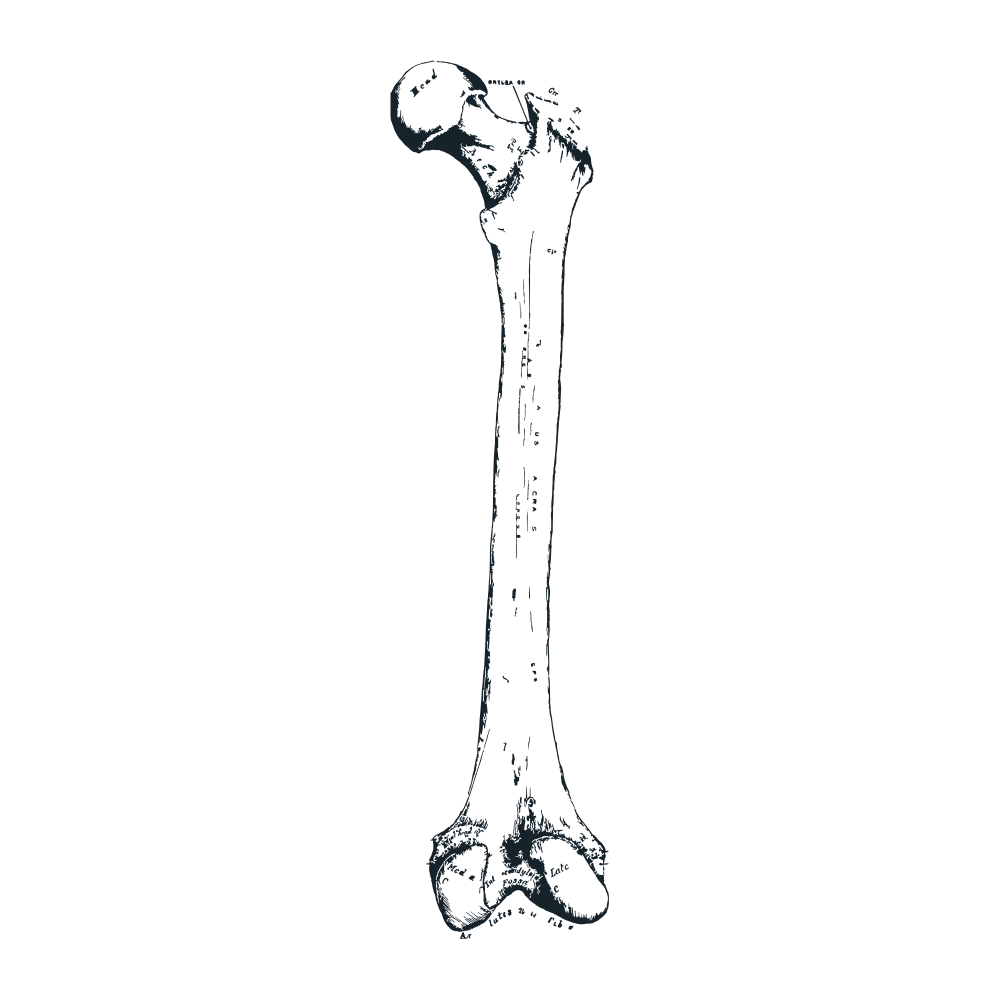
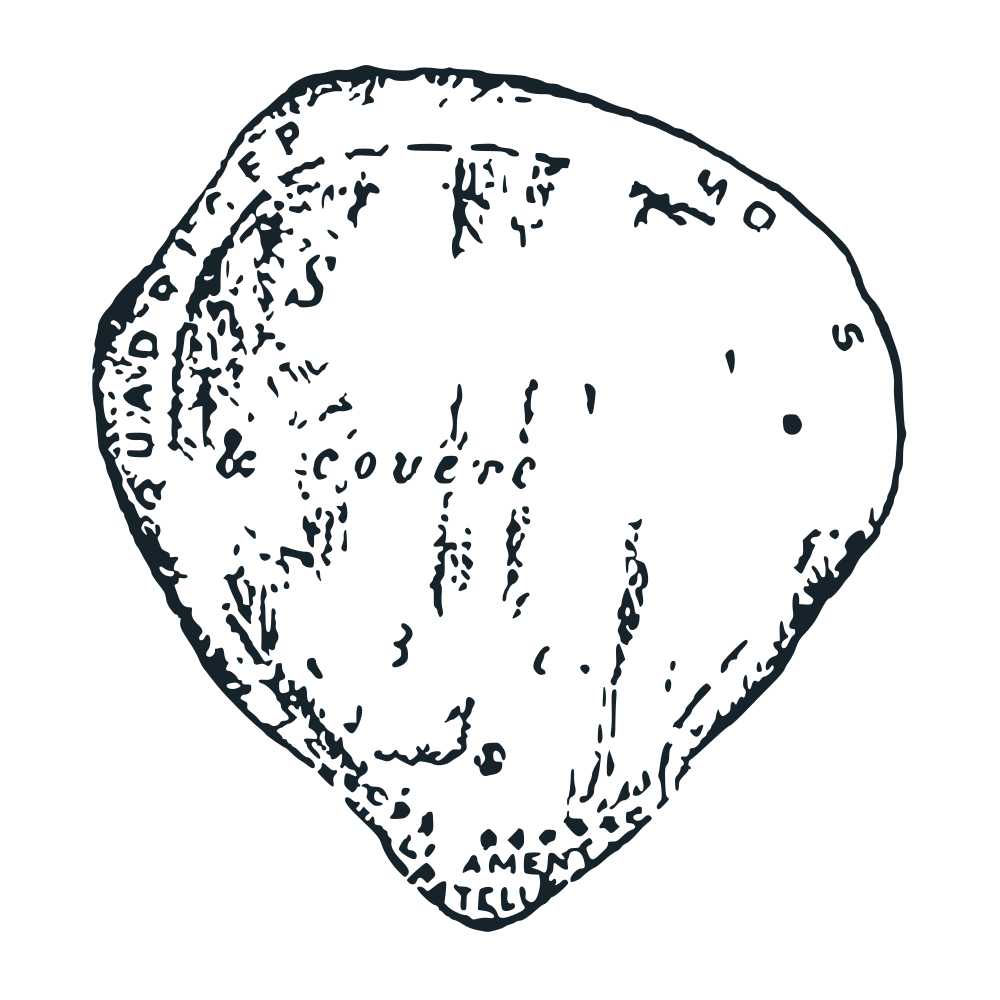
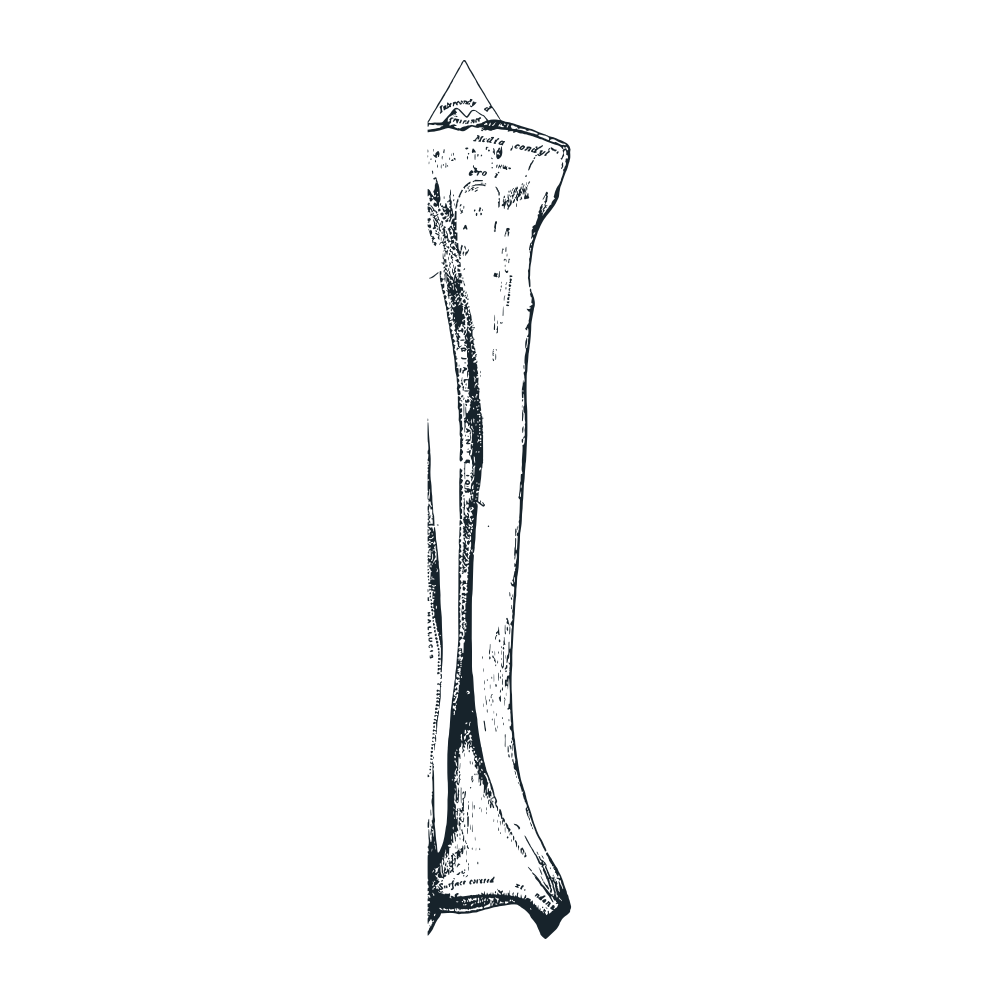
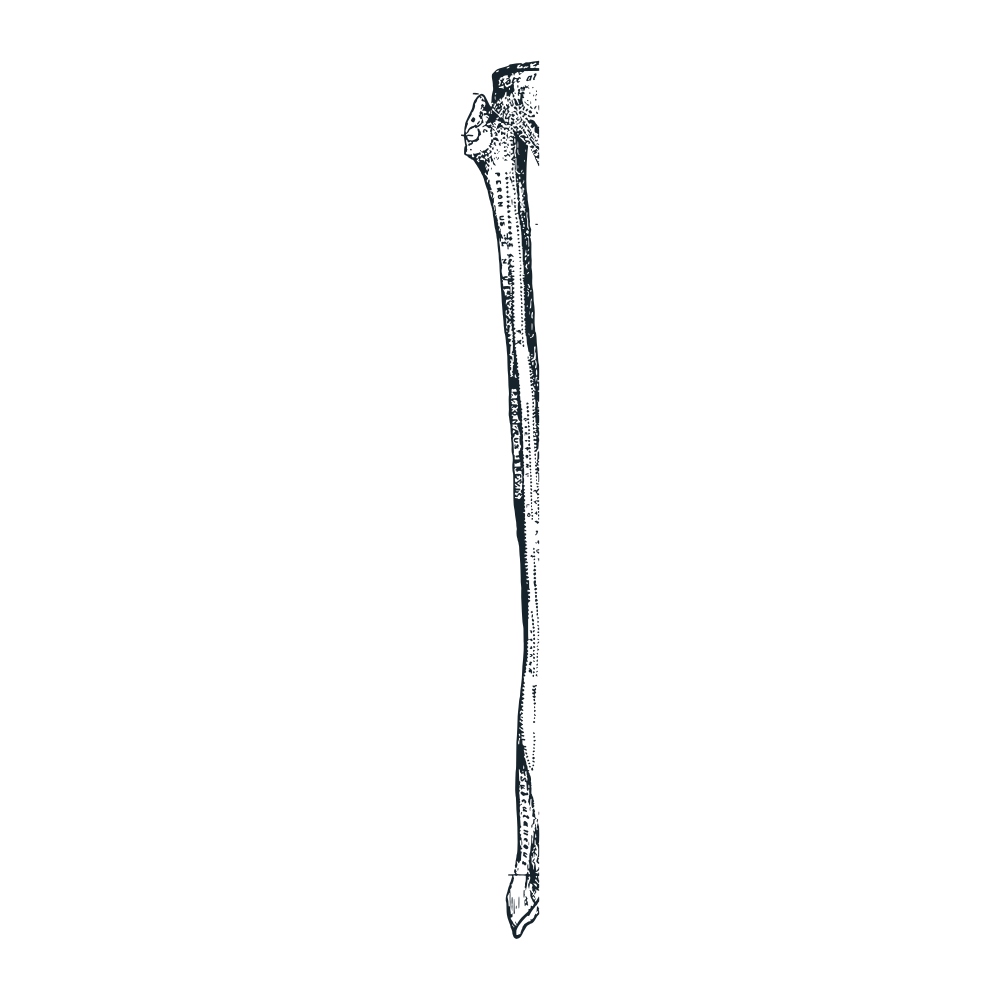
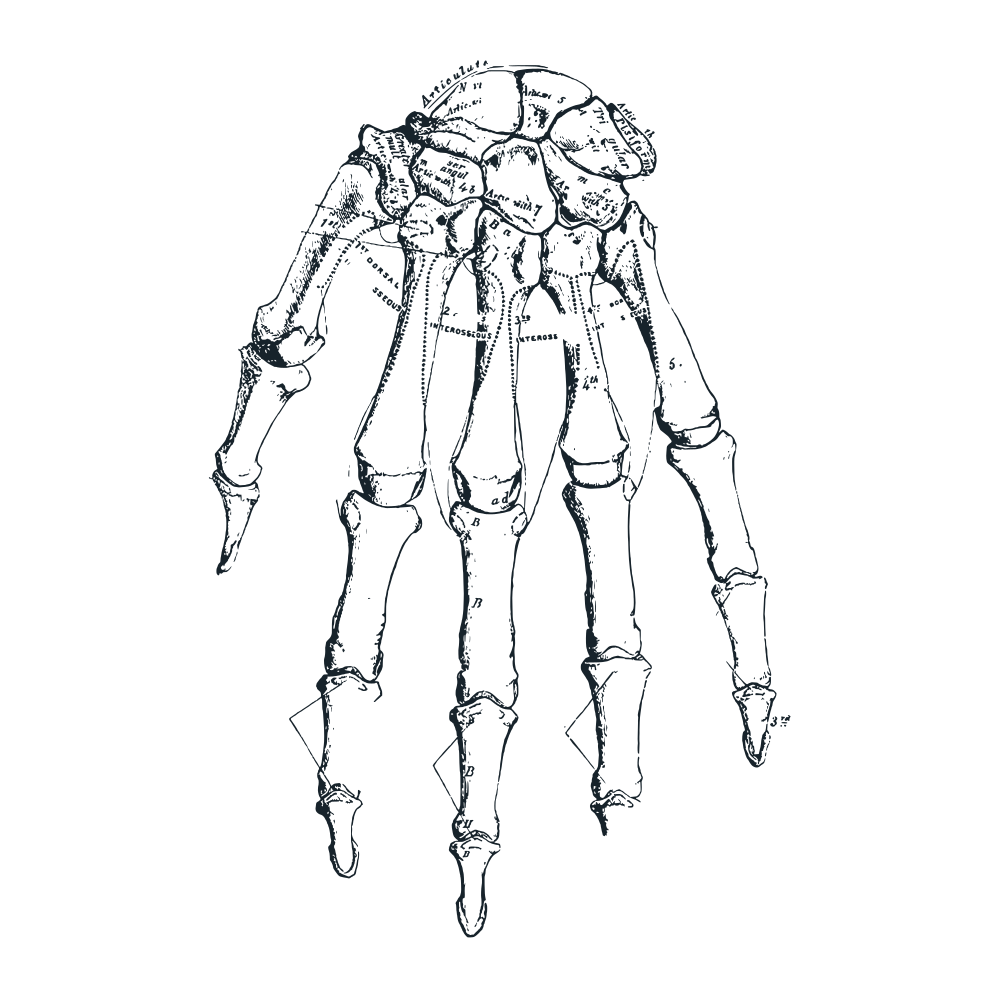
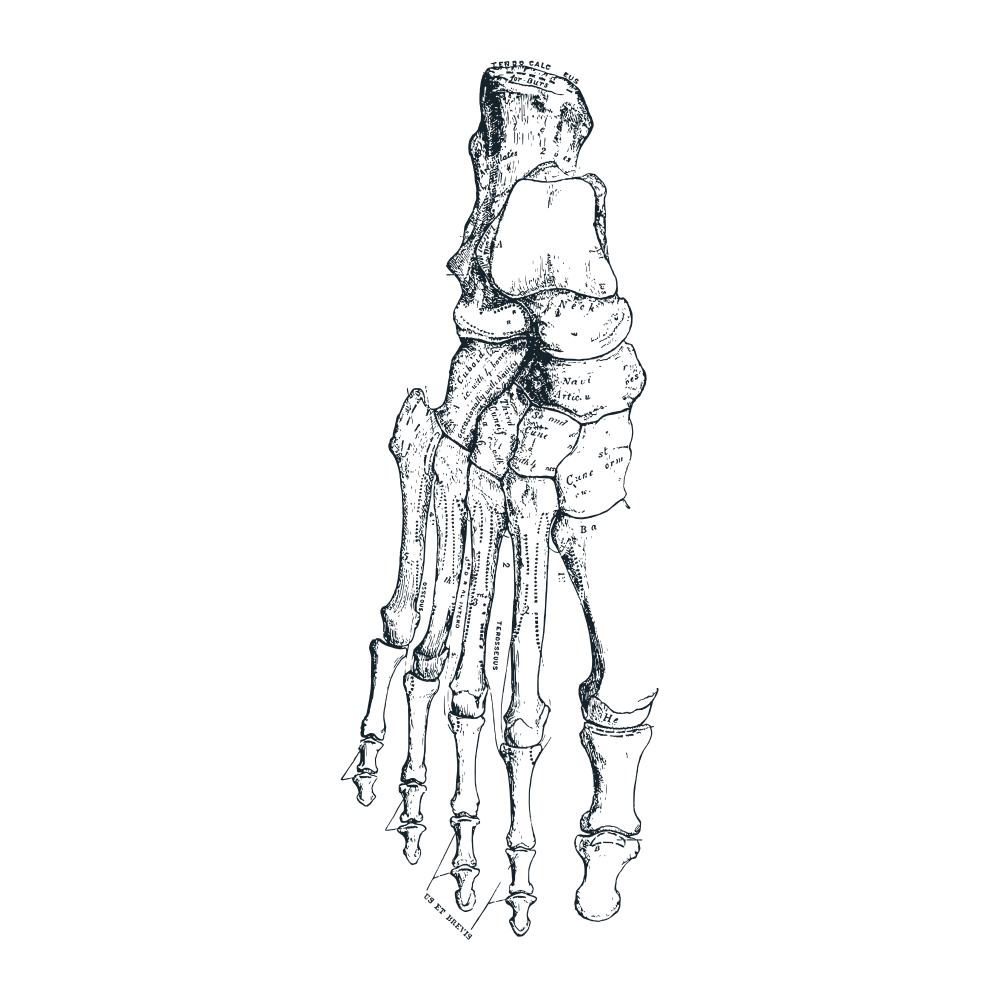
A visual assembly, not a new canonical object: the rib cage, vertebral levels, sacrum, hands, and feet now sit on their anatomical anchors while every part remains independently addressable in the registry.
PLATE 02 / VISCERAL SET
Every tile below is a real source-derived SVG master, not a placeholder icon. The registry still owns the identity.
Color is a restrained rendering layer; switch to the monochrome font when color must not carry meaning.
ONE OBJECT / MANY RENDERERS
Meaningful fallback text. This is what an author writes.
The font's liga feature turns the token into one glyph.
Stable project character: U+E00B. Always pair with a label.
Scalable outline rendering for text and UI.
COLRv1 palette layers add restrained anatomical color.
The font is optional; the vector master remains portable.
SHAPING PLAYGROUND
Top: original shortcode text shaped by OpenType. Bottom: the helper resolves tokens to direct PUA characters.
CANONICAL IDENTITY
Applications can consume anatomy:femur, retrieve its label, shortcode, codepoint, SVG, and accessible name, then choose the renderer that fits.
LIVE REGISTRY